How to Grow Vegetables in Pots at Home (Complete Beginner’s Guide)
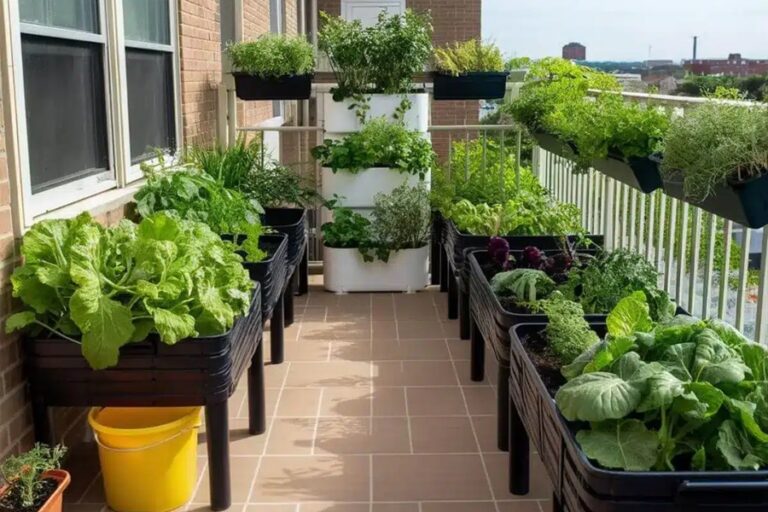
&Growing your own vegetables at home is one of the most satisfying things you can do. The good news is, you don’t need a big garden or farmland to get started. Even a small balcony, terrace, or sunny window can become your mini vegetable garden. With the right containers, soil, and care, you can enjoy fresh, organic produce right from your pots.
In this article, I’ll guide you step-by-step on how to grow vegetables in pots at home, based on my experience helping hundreds of urban gardeners start small and grow successfully.
Why Grow Vegetables in Pots?
Container gardening is perfect for Indian homes where space is often limited. Here’s why it’s a great idea:
- Fresh food, no chemicals: You control what goes into your plants.
- Space-efficient: Ideal for balconies, rooftops, or even windowsills.
- Easy to manage: No need for digging or heavy soil work.
- Portable: You can move pots to catch more sunlight or protect from rain.
Step 1: Choose the Right Pots and Containers
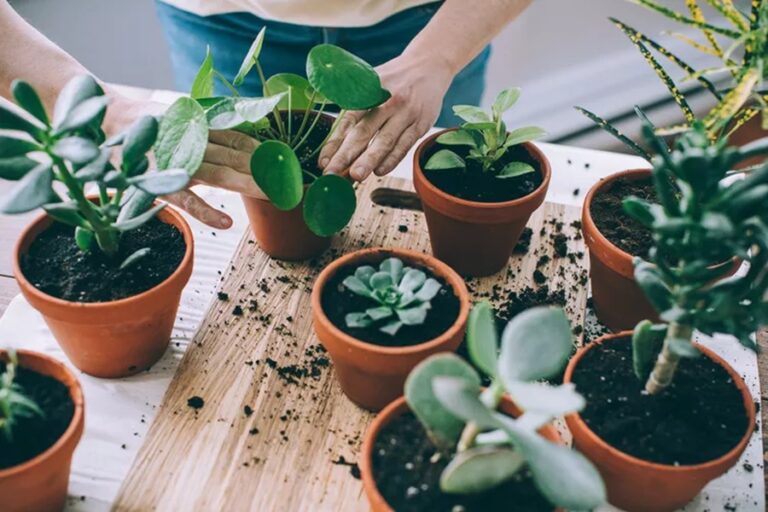
The first step to growing vegetables in pots is selecting suitable containers. Here’s what to keep in mind:
- Size: Deeper pots (12–18 inches) are ideal for root vegetables like carrots, tomatoes, and brinjals. Shallow pots (6–8 inches) work for leafy greens like spinach and coriander.
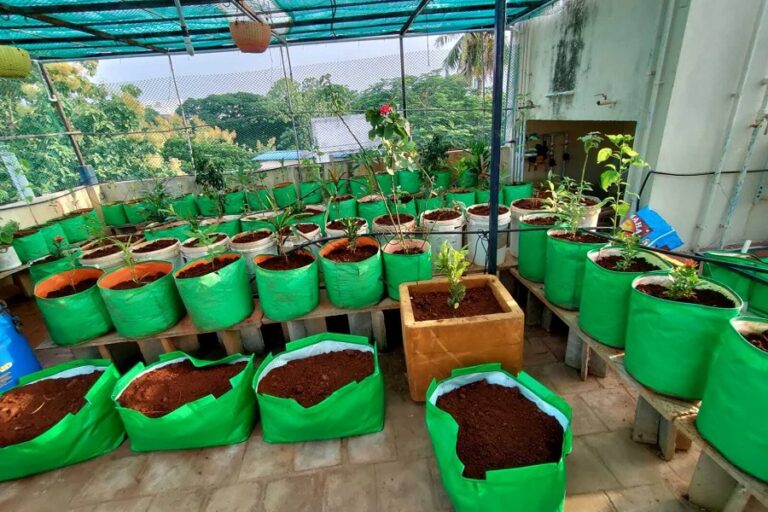
- Material: Plastic grow bags are lightweight and affordable; clay pots are eco-friendly but heavy; recycled buckets or tubs also work well.
- Drainage: Always ensure your container has holes at the bottom to prevent waterlogging.
Step 2: Prepare the Perfect Soil Mix
Good soil is the key to healthy plants. Garden soil alone is heavy and may not drain well in pots. Use a balanced, lightweight mix like this:
- 40% garden soil
- 30% organic compost (vermicompost or kitchen compost)
- 20% cocopeat (for moisture retention)
- 10% sand (for drainage)
Mix everything thoroughly and fill the pots up to 2 inches below the rim.
Step 3: Pick the Right Vegetables for Pots
Almost all vegetables can grow in containers, but some do better than others. Start with easy, fast-growing vegetables that give you confidence early on.
Best Vegetables for Beginners:
- Leafy Greens: Spinach, methi, amaranthus, lettuce, coriander.
- Root Vegetables: Radish, carrot, beetroot.
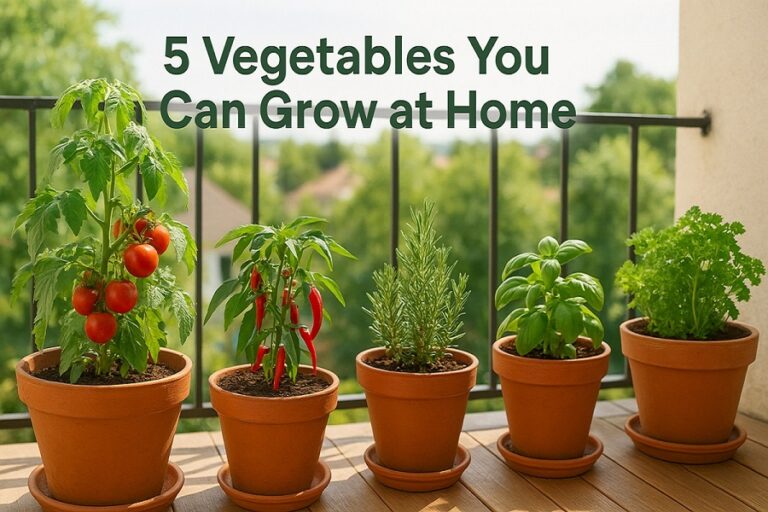
- Fruiting Plants: Tomato, brinjal, capsicum, chili.
- Climbers: Beans, bottle gourd, bitter gourd (use a trellis or railing support).
Step 4: Sowing and Transplanting
You can start by sowing seeds directly in pots or by germinating them in seed trays first.
- For small seeds (like coriander or spinach), sprinkle them evenly and cover lightly with soil.
- For larger seeds (like beans or bitter gourd), sow them about 1 inch deep.
- Keep the soil moist but not soggy until seeds germinate.
If you’re using nursery plants, transplant them carefully when they have 3–4 leaves. Avoid disturbing the roots too much.
Step 5: Watering and Sunlight
Watering correctly is one of the most important parts of container gardening.
- Water early in the morning or evening to reduce evaporation.
- Check the soil moisture; if the top 1 inch feels dry, it’s time to water.
- Avoid overwatering, as it can cause root rot.
Most vegetables need at least 5–6 hours of sunlight daily. Rotate pots weekly so every side gets sunlight evenly.
Step 6: Feeding Your Plants
Plants in pots depend on you for nutrients. Replenish the soil regularly with organic matter:
- Add a handful of compost every 2–3 weeks.
- Use liquid fertilizer like compost tea or diluted cow dung slurry once a month.
- Use neem cake powder occasionally to keep soil healthy and pest-free.
Step 7: Pest and Disease Control
Container plants can attract common pests like aphids, whiteflies, or mealybugs. Avoid chemical sprays; instead, try these natural remedies:
- Spray neem oil mixed with water once every 10–15 days.
- Use garlic-chili spray as a natural insect repellent.
- Remove yellowing leaves and weeds to prevent fungus growth.
Step 8: Harvesting Your Homegrown Vegetables
Harvest vegetables at the right time to encourage more growth. For example:
- Spinach and methi – cut leaves when they’re 4–6 inches tall.
- Tomatoes – pluck when they turn fully red.
- Beans – harvest when pods are firm but tender.
Frequent harvesting keeps your plants productive and encourages new growth.
Common Mistakes to Avoid
- Using poor-quality soil that doesn’t drain properly.
- Overwatering and suffocating roots.
- Keeping plants in full shade, most vegetables need sunlight.
- Not rotating crops seasonally; change plants to maintain soil nutrients.
Seasonal Planting Guide (India)
- Summer (March–June): Okra, tomato, chili, cucumber, beans.
- Monsoon (July–September): Brinjal, spinach, bitter gourd.
- Winter (October–February): Carrot, radish, cabbage, peas, coriander.
Expert Tips for Beginners
- Start with 4–5 pots instead of too many at once.
- Label each pot with the vegetable name and sowing date.
- Use a small sprayer for watering seedlings gently.
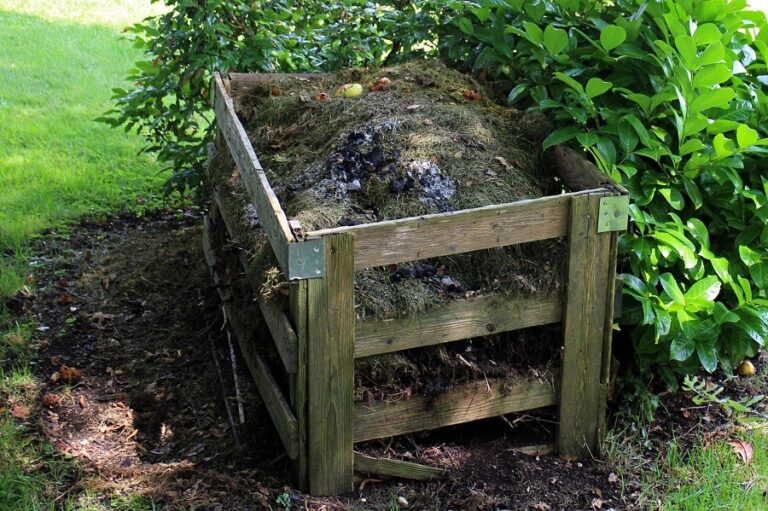
- Compost your kitchen waste to make free fertilizer at home.
Conclusion: Start Small, Grow Fresh
Learning how to grow vegetables in pots at home is simple, affordable, and rewarding. Whether you live in a flat or a villa, all you need is sunlight, a few pots, and patience. Within weeks, you’ll enjoy the joy of harvesting your own fresh greens and vegetables.
Start small, stay consistent, and let your balcony or terrace turn into your personal farm-to-table experience. Once you taste your first homegrown tomato, you’ll never look back!
Frequently Asked Questions (FAQ)
Q1. Can I use regular soil from my backyard for pot vegetables?
You can, but mix it with compost and cocopeat to improve drainage and nutrients.
Q2. How often should I fertilize potted plants?
Add compost every 15–20 days and liquid fertilizer monthly for best growth.
Q3. Do vegetables in pots need sunlight all day?
No, 5–6 hours of direct sunlight daily is sufficient for most vegetables.
Q4. Can I reuse potting soil?
Yes, but refresh it with compost or organic fertilizer before replanting each season.
Q5. What are the easiest vegetables to grow at home?
Spinach, coriander, mint, tomato, and chili are the easiest and most rewarding options for beginners.