Cherry Cultivation in India: Complete Farming Guide
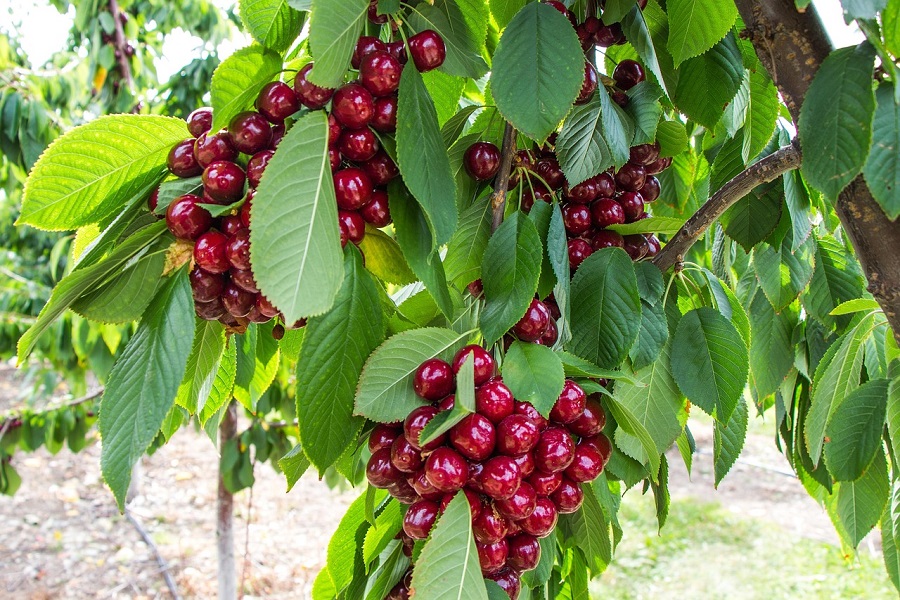
Cherry cultivation in India is limited but highly rewarding in suitable climatic regions. Cherries are premium fruits with strong demand in fresh markets due to their taste, color, and nutritional value. Although cherries require specific climate conditions, farmers in temperate regions can achieve excellent returns with proper variety selection and orchard management.
This guide explains cherry cultivation in India in detail, covering climate and soil requirements, suitable varieties, planting method, fertilizer schedule, irrigation, pest and disease management, harvesting, and yield potential.
Introduction to Cherry Farming
Cherry (Prunus avium for sweet cherry and Prunus cerasus for sour cherry) belongs to the Rosaceae family. It is a deciduous stone fruit tree that requires cold winters for flowering and fruit set. Due to its high chilling requirement, cherry cultivation in India is restricted to higher altitudes.
Cherries are rich in antioxidants, vitamins, and anti-inflammatory compounds, making them popular among health-conscious consumers.
Climate Requirements for Cherry Cultivation
Cherry trees require a cool temperate climate.
- Ideal temperature range: 10°C to 25°C
- Chilling requirement: 1,000–1,200 hours below 7°C
- Dry weather during fruit maturity improves fruit quality
- Spring frost during flowering can severely reduce yield
Farmers achieve the best results in regions with cold winters and mild summers when growing cherries.
Soil Requirements
Well-drained soils are essential for cherry farming.
- Best soil type: Sandy loam to loamy soil
- Soil pH: 6.0 to 7.0
- Soil should be rich in organic matter
Heavy clay soils and waterlogged fields should be avoided.
Major Cherry Growing Regions in India
Cherry cultivation in India is mainly limited to:
- Jammu & Kashmir
- Himachal Pradesh (higher elevations)
- Uttarakhand (select high-altitude areas)
These regions provide the chilling hours required for cherry trees.
Popular Cherry Varieties Grown in India
Choosing the right variety is critical for successful cherry farming.
Stella
A self-fertile sweet cherry variety with good fruit size and flavor.
Lapins
Known for large fruits, high yield, and good market demand.
Bing
A premium sweet cherry variety popular for its dark red fruits.
Van
Produces firm fruits with excellent taste and storage quality.
Early Rivers
An early-maturing variety suitable for high-altitude regions.
Propagation Method
Cherry plants are propagated through vegetative methods.
- T-budding
- Whip and tongue grafting
Certified nursery plants ensure better orchard establishment and uniformity.
Planting Season and Spacing
Cherry saplings are planted during dormancy.
- Planting season: December to January
- Spacing: 6 m × 6 m for standard planting
- High-density planting requires proper rootstocks and pruning
Pits of 1 m × 1 m × 1 m should be prepared and filled with soil mixed with compost.
Manure and Fertilizer Schedule
Proper nutrient management improves fruit quality and yield.
- FYM: 25–30 kg per tree annually
- Nitrogen: Applied in split doses during spring
- Phosphorus and Potassium: Applied during winter
Micronutrients like boron and zinc may be required based on soil test results.
Irrigation Management
Cherry trees require careful irrigation management.
- Young plants: Regular light irrigation
- Bearing trees: Irrigation every 10–15 days
- Avoid excess irrigation during fruit ripening to prevent cracking
Drip irrigation helps maintain consistent soil moisture.
Training and Pruning
Farmers use proper training and pruning to maintain healthy and productive cherry orchards.
- They commonly follow the central leader system
- They prune trees during winter dormancy
- They remove dead, diseased, and overcrowded branches
Pest and Disease Management
Common pests and diseases affecting cherry crops include:
- Aphids
- Fruit fly
- Brown rot
- Bacterial canker
Regular monitoring and orchard sanitation help minimize damage.
Harvesting of Cherry Fruits
Farmers harvest cherries only when they are fully ripe, as the fruits do not ripen after harvest.
- Harvesting season: May to June
- Farmers hand-pick fruits along with their stalks
- They handle fruits gently to prevent bruising
Yield of Cherry Crop
Yield depends on variety, climate, and orchard management.
- Yield per tree: 15–25 kg
- Yield per hectare: 6–10 tonnes
Post-Harvest Management
Cherries have a short shelf life and require careful handling.
- Storage temperature: 0°C
- Shelf life: 2–3 weeks under cold storage
- Proper grading improves export potential
Economic Importance of Cherry Farming
Cherry farming offers high returns due to premium pricing. Although initial investment is higher, farmers in suitable regions can earn significantly from cherry cultivation.
Conclusion
Cherry cultivation in India is suitable for limited but ideal climatic regions. With correct variety selection, proper orchard management, and careful post-harvest handling, cherry farming can be a profitable and prestigious fruit enterprise.
Frequently Asked Questions (FAQs)
Can cherries be grown in plains of India?
No, cherries require high chilling hours and are best suited for high-altitude temperate regions.
How long does a cherry tree take to bear fruit?
Cherry trees usually start bearing fruits after 4–5 years.
Which cherry variety is best for India?
Stella, Bing, and Lapins are popular sweet cherry varieties.
What is the lifespan of a cherry tree?
A cherry tree can remain productive for 20–25 years with proper care.
Is cherry cultivation profitable in India?
Yes, cherry cultivation is highly profitable in suitable climatic regions due to premium market prices.