Peach Cultivation in India: Complete Farming Guide
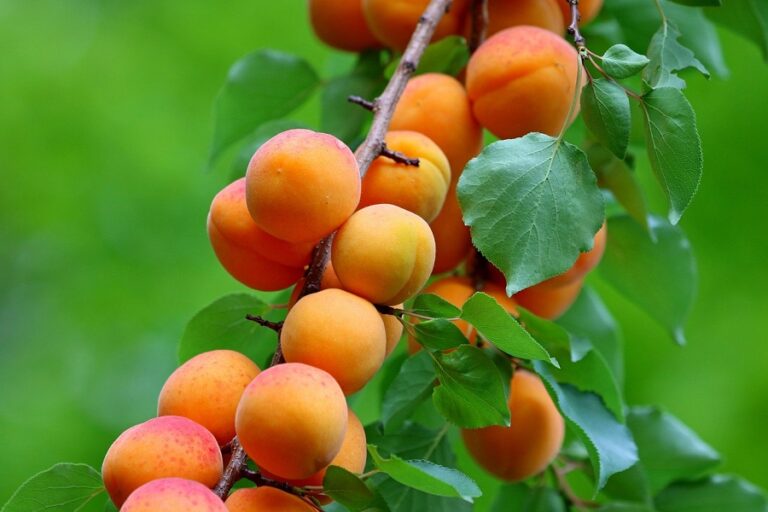
Peach cultivation in India is an important fruit farming activity in temperate and sub-temperate regions. Peach is a stone fruit known for its juicy flesh, pleasant aroma, and high nutritional value. With the introduction of low-chill peach varieties, peach farming is now possible in wider regions beyond traditional hill areas.
This detailed guide explains peach cultivation in India, covering climate and soil requirements, popular varieties, planting method, nutrient management, irrigation, pest control, harvesting, yield, and profitability.
Introduction to Peach Farming
Peach (Prunus persica) belongs to the Rosaceae family. It is a deciduous fruit tree that grows well in areas with cool winters and moderate summers. Peach fruits are consumed fresh and also used for making juices, jams, nectars, and desserts.
Peach trees are early-bearing and provide quick returns compared to many other fruit crops.
Climate Requirements for Peach Cultivation
Peach trees thrive in a temperate climate.
- Ideal temperature range: 15°C to 30°C
- Chilling requirement: 200–800 hours below 7°C (variety dependent)
- Dry climate during fruit ripening improves fruit quality
- Late spring frost can damage flowers
Low-chill varieties allow peach cultivation in subtropical regions.
Soil Requirements
Soil selection plays a crucial role in peach farming success.
- Best soil: Well-drained sandy loam or loamy soil
- Soil pH: 6.0 to 7.0
- High organic matter improves fruit size and sweetness
Waterlogged and saline soils should be avoided.
Major Peach Growing Regions in India
Peach cultivation is mainly practiced in:
- Himachal Pradesh
- Uttarakhand
- Jammu & Kashmir
- Punjab (low-chill varieties)
- Haryana (selected areas)
- Nilgiri Hills
Popular Peach Varieties in India
Flordasun
A low-chill variety suitable for plains and subtropical regions.
Early Grande
Early-maturing variety with attractive red blush.
Shan-i-Punjab
Widely grown variety with good yield and firm fruits.
July Elberta
Popular hill variety producing large, sweet fruits.
Redhaven
Known for uniform fruit size and good market demand.
Propagation Method
Peach plants are propagated vegetatively to maintain varietal purity.
- T-budding on wild peach rootstock
- Shield budding
Healthy nursery plants ensure better orchard establishment.
Planting Season and Spacing
Peach planting is done during dormancy.
- Planting time: December to January
- Spacing: 5 m × 5 m for standard orchards
- High-density planting: 3 m × 3 m
Pits of 1 m × 1 m × 1 m are prepared and filled with soil mixed with compost.
Manure and Fertilizer Schedule
Balanced nutrition is essential for early fruiting and yield.
- FYM: 20–25 kg per tree annually
- Nitrogen: Applied in two split doses
- Phosphorus and Potassium: Applied once during winter
Micronutrients improve fruit color and quality.
Irrigation Management
Proper irrigation improves fruit size and sweetness.
- Young plants: Frequent light irrigation
- Bearing trees: Every 7–10 days in summer
- Avoid excess irrigation near harvest
Drip irrigation is recommended for water efficiency.
Training and Pruning
Peach trees require regular pruning.
- Open center system is most suitable
- Pruning is done annually during winter
- Remove old, diseased, and unproductive shoots
Pest and Disease Management
Common pests and diseases include:
- Aphids
- Fruit fly
- Leaf curl disease
- Brown rot
Timely orchard sanitation reduces pest pressure.
Harvesting of Peach Fruits
Peaches are harvested at proper maturity for best flavor.
- Harvesting season: April to June
- Fruits should be hand-picked
- Over-ripe fruits have poor shelf life
Yield of Peach Crop
- Yield per tree: 25–40 kg
- Yield per hectare: 10–15 tonnes
Post-Harvest Management
Good post-harvest handling improves returns.
- Storage temperature: 0–1°C
- Shelf life: 2–3 weeks under cold storage
- Proper grading increases market value
Economic Importance of Peach Farming
Peach farming offers early returns and strong market demand. Fresh peach prices are higher during early season harvest, making it profitable for farmers.
Conclusion
Peach cultivation in India is a profitable fruit farming option when suitable varieties and proper management practices are followed. With growing demand and improved varieties, peach farming has strong future potential.
Frequently Asked Questions (FAQs)
How long does a peach tree take to bear fruit?
Peach trees start fruiting within 2–3 years after planting.
Which peach variety is best for plains?
Flordasun and Shan-i-Punjab are suitable low-chill varieties.
What is the lifespan of a peach tree?
A peach tree remains productive for about 15–20 years.
Can peaches be grown in pots?
Dwarf peach varieties can be grown in large containers with proper care.
Is peach cultivation profitable?
Yes, peach cultivation is profitable due to early fruiting and good market prices.