Sapota (Chikoo) Farming in India: Complete Guide 2026
ArminSapota (Chikoo) Farming in India: Complete Cultivation, Yield & Profit Guide
📑 Table of Contents
- 1. Introduction
- 2. Quick Crop Overview
- 3. About Sapota (Chikoo) Fruit
- 4. Climate & Soil Requirement
- 5. Best Sapota Varieties for Cultivation
- 6. Propagation Methods
- 7. Land Preparation & Planting
- 8. Irrigation Management
- 9. Month-wise Crop Calendar
- 10. Manure & Fertilizer Schedule
- 11. Intercropping & Weed Management
- 12. Training & Pruning
- 13. Pests and Diseases
- 14. Flowering and Fruiting
- 15. Harvesting of Sapota
- 16. Yield of Sapota Crop
- 17. Storage and Marketing
- 18. Cost & Profit Analysis
- 19. Advantages of Sapota Farming
- 20. Government Schemes
- 21. Organic Sapota Farming
- 22. Value-Added Products
- 23. Common Mistakes
- 24. FAQs
- 25. Conclusion
1. Introduction
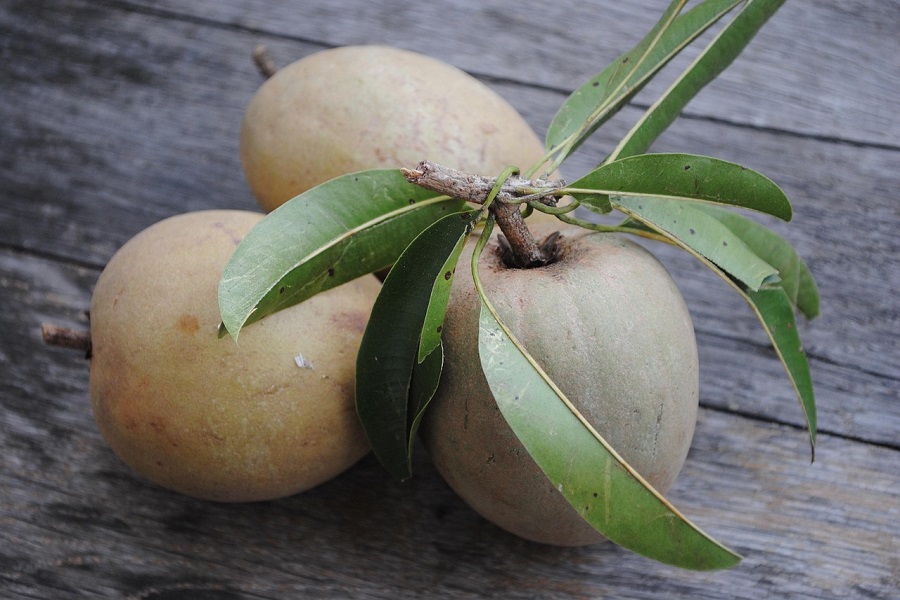
Sapota, popularly known as Chikoo in India, is one of the most beloved and commercially significant fruit crops in the country. Known for its sweet, malty flavor and soft, granular texture, chikoo has captured the hearts of Indian consumers across all regions. The fruit, with its rusty brown skin resembling a potato, contains sweet, sandy-textured pulp that melts in the mouth, making it a favorite dessert fruit and milkshake ingredient.
India is one of the world’s largest producers of sapota, with major cultivation in Maharashtra, Gujarat, Karnataka, Tamil Nadu, Andhra Pradesh, and Kerala . Maharashtra leads in production, particularly the Kalipatti variety, which is considered the gold standard for quality. What makes sapota farming particularly attractive is its hardy nature, low maintenance requirements, and ability to thrive in diverse soil conditions .
For Indian farmers, sapota represents a long-term, sustainable investment. Once established, a sapota orchard can remain productive for 20-25 years, providing steady income with relatively low annual maintenance costs. The fruit has multiple uses: fresh consumption, milkshakes, ice creams, jams, and even as a base for chewing gum (from its latex, known as chicle) .
This comprehensive guide is designed specifically for Indian farmers considering commercial sapota cultivation. We cover everything from selecting the right variety and preparing the land to harvesting, marketing, and calculating profits. All information is based on practical field experience and Indian agricultural conditions.
2. Quick Crop Overview
| Parameter | Details |
|---|---|
| Scientific Name | Manilkara achras (Mill.) Fosberg / Achras zapota |
| Botanical Family | Sapotaceae |
| Origin | Mexico and Central America |
| Climate Requirement | Tropical and subtropical; Warm humid climate |
| Ideal Temperature | 11°C – 38°C (Optimal: 20-34°C) |
| Soil Type & pH | Sandy loam, alluvial, red laterite, medium black; pH 6.0 – 8.0 |
| Planting Season | June-July (Monsoon), also March-October in some regions |
| Spacing (Standard) | 8 m x 8 m to 10 m x 10 m |
| Spacing (High Density) | 6 m x 6 m (for dwarf varieties) |
| Plants Per Acre (Standard) | 60-70 plants |
| Plants Per Acre (High Density) | 100-120 plants |
| Fruiting Starts | 3rd to 5th year after planting |
| Full Bearing Age | 7th to 8th year onwards |
| Economic Lifespan | 20-25 years |
| Harvesting Seasons | February-June and September-December (two peaks) |
| Yield Per Acre (Mature Orchard) | 6-8 tonnes per acre |
3. About Sapota (Chikoo) Fruit
Sapota is a tropical fruit known for its distinctive appearance and sweet flavor. The fruit is a fleshy berry, variable in shape, size, and weight (typically 75-150g). The skin is thin, rusty brown, and somewhat scurfy, looking similar to a potato. The pulp is soft, melting, and crumbling with a sandy or granular texture, containing 1-5 hard, black, shiny seeds.
Nutritional Value: Sapota is an excellent source of digestible sugar (12-18%), making it an instant energy booster. It also contains protein, fat, fiber, and essential minerals like calcium, iron, phosphorus, and vitamins A, B, and C .
Economic Importance: Beyond its fruit value, sapota is also cultivated for its latex, from which chicle and gutta are extracted. These substances are used as base materials in chewing gum and some industrial products .
Leading Producing States in India:
- Maharashtra: Largest producer (Kalipatti variety) – districts: Ratnagiri, Sindhudurg, Pune, Ahmednagar
- Gujarat: Major producer – Valsad, Navsari, Surat districts
- Karnataka: Bengaluru Rural, Mysuru, Ramanagara districts
- Tamil Nadu: Dindigul (traditionally major, though area declining), Coimbatore, Theni
- Andhra Pradesh: Visakhapatnam, East Godavari, Chittoor
- Kerala: Ernakulam, Kottayam, Thrissur
India produces approximately 5.4 lakh metric tonnes of sapota annually, with Maharashtra contributing the major share .
4. Climate & Soil Requirement
🌤️ Climate for Sapota Cultivation
Sapota thrives in warm, humid tropical and subtropical climates. It is essentially a tropical crop that can be planted from sea level up to 1200 meters above mean sea level .
- Temperature: Ideal range is 11°C to 38°C, with optimal growth at 20-34°C . Temperatures above 43°C can cause flower drop . Frost is detrimental to young plants .
- Humidity: Prefers 70% relative humidity for optimal growth .
- Rainfall: Moderate annual rainfall of 1250-2500 mm is suitable .
- Coastal Climate: Sapota performs exceptionally well in coastal regions due to the warm, humid conditions .
- Drought Tolerance: Once established, sapota trees can withstand short dry periods .
India Context – Best Regions for Sapota:
- Western Coast (Konkan): Maharashtra, Gujarat – Ideal warm, humid coastal climate .
- Southern Peninsula: Karnataka, Tamil Nadu, Andhra Pradesh – Suitable tropical conditions.
- Plateau Regions: Parts of Madhya Pradesh, Chhattisgarh, Jharkhand – Emerging areas with good potential .
- Eastern Coast: Odisha, West Bengal – Suitable coastal climate.
🌱 Soil Requirement
Sapota is adaptable to a wide range of soils but performs best in well-drained, deep soils rich in organic matter.
- Best Soil Type: Deep alluvial, sandy loam, red laterite, and medium black soils with good drainage are ideal .
- Ideal pH: 6.0 to 8.0 (slightly acidic to slightly alkaline) .
- Drainage: Excellent drainage is critical. Sapota cannot tolerate waterlogging or heavy clay soils, which cause root rot .
- Soil Depth: Minimum 50-60 cm depth for proper root development.
- Avoid: Heavy clay soils, calcareous soils with high calcium content, and saline soils .
Practical Tip: Conduct a soil test before planting. Incorporate 20-25 tonnes of FYM per acre during land preparation to improve soil organic matter and structure.
5. Best Sapota Varieties for Cultivation
India has numerous sapota varieties, with over 41 cultivars reported . Selection depends on regional adaptability, market preference, and intended use.
Major Commercial Varieties
| Variety | Characteristics | Best Regions |
|---|---|---|
| Kalipatti | Most popular commercial variety. Small to medium fruits, excellent quality with soft, sweet pulp. Broad, thick green leaves. Oblong or round fruits. Mature tree yields 350-400 fruits. Takes 255 days to harvest . | Maharashtra, Gujarat, Karnataka, Tamil Nadu |
| Cricket Ball | Distinctive large, round fruits resembling a cricket ball. Exceptionally sweet and flavorful pulp. High market demand due to size and taste. | Maharashtra, Gujarat, Karnataka, Jharkhand |
| PKM-1 | Popular in South India. Good yield, quality fruits. Takes 270 days to harvest. | Tamil Nadu, Andhra Pradesh |
| PKM-2 | Hybrid variety, high-yielding . | Tamil Nadu, Andhra Pradesh |
| PKM-3, PKM-4, PKM-5 | Newer varieties from Tamil Nadu. PKM-5 shows maximum fruit length and high bioactive compounds (phenolics, carotenoids, antioxidants). | Tamil Nadu, South India |
| Dwarapudi | Medium-sized fruits, suitable for coastal regions. Tolerant to saline environments and variable temperatures . | Andhra Pradesh (coastal) |
| Jonnavalasa | Distinct oval-shaped fruits. Excellent shelf life, ideal for long-distance transport . | Andhra Pradesh |
| Pilipatti | Medium-sized fruits suitable for processing (jams, jellies, squashes). Gritty pulp, moderately sweet, average fruit weight 400-450g . | Processing industry |
| Bhuri Patti / Kali Patti | Local varieties with good adaptability . | Northern India, Jharkhand |
Varietal Maturity Periods (Research Data)
According to a Punjab Agricultural University study: Kalipatti takes 255 days to harvest; Cricket Ball takes 270 days; PKM-1 takes 270 days; PKM-5 takes 255 days .
Practical Tip: For commercial farming in Maharashtra and Gujarat, Kalipatti is the most reliable and preferred variety. For premium fresh markets, Cricket Ball commands higher prices. For coastal regions, choose Dwarapudi.
6. Propagation Methods
Sapota is commercially propagated through vegetative methods as seed-grown plants are not true-to-type and take longer to fruit.
Common Propagation Methods
- Softwood Grafting: Most recommended commercial method. Uses Khirni (Rayana) as rootstock. Pencil-thick, two-year-old Khirni plants are selected. Best time: December-January .
- Air Layering (Gootee): Traditional method. Branches are ringed, treated with rooting hormone, wrapped with moist moss, and separated after root formation.
- Inarching: Traditional method where scion is grafted onto a potted rootstock without detaching from mother plant .
- Budding: Less common but possible.
Rootstock: Khirni (Manilkara hexandra) is the preferred rootstock due to its drought tolerance and compatibility .
Plants Required Per Acre
- Standard spacing (8m x 8m): 60-70 plants
- Wider spacing (10m x 10m): 40-45 plants
- High density (6m x 6m for dwarf varieties): 100-120 plants
Practical Tip: Always purchase grafted plants from government-certified nurseries to ensure varietal purity and disease-free material. Treatment of planting material with fungicide before planting improves survival.
7. Land Preparation & Planting
Land Preparation
- Clearing: Clear the land of weeds, rocks, and previous crop residues.
- Ploughing: Plough the field 2-3 times at a depth of 20-45 cm to bring soil to fine tilth .
- Leveling: Level the land evenly to ensure proper water distribution and prevent waterlogging .
- Wind Breakers: In exposed areas, plant wind breakers at a distance of 1.5-1.8 m in rows .
Pit Preparation
- Pit Size:
- Sandy soil: 60 cm x 60 cm x 60 cm
- Heavy soil: 100 cm x 100 cm x 100 cm
- Standard recommendation: 90 cm x 90 cm x 90 cm
- Timing: Dig pits in April-May, expose for 2-3 weeks .
- Pit Filling Mixture (per pit):
- 10-30 kg well-decomposed FYM/compost
- 500g – 2 kg single super phosphate
- 1-2 kg neem cake or karanj cake
- 10g phorate dust for termite control
- 1.5 kg MOP (Muriate of Potash)
- 5-7 kg bone meal (optional)
- Mix topsoil with these materials and refill pits, creating a small mound.
- Irrigate pits to allow settling before planting.
Planting Method
- Best Planting Season: Monsoon season (June-July) is ideal . Can also plant from March to October with irrigation .
- Spacing:
- Standard: 8 m x 8 m (plant-to-plant and row-to-row)
- Wider: 10 m x 10 m for vigorous varieties
- High density: 6 m x 6 m for dwarf varieties
- Planting Technique:
- Make a small hole in the center of the prepared pit.
- Place the graft such that the graft union remains above soil level .
- Remove polythene straps used for securing grafts about a month after planting to reduce mortality .
- Fill with soil, press gently, and water immediately.
- Create a basin around the plant for irrigation.
- Aftercare: Remove new sprouts emerging from rootstock below graft joint .
8. Irrigation Management
Sapota is relatively drought-tolerant once established, but proper irrigation ensures higher yields and better fruit quality.
Irrigation Schedule
| Plant Age | Water Requirement (per plant/day) | Irrigation Interval |
|---|---|---|
| 0-1 year (Establishment) | 1.5-2 liters | 7-10 days |
| 1-3 years | 2-3 liters | 10-15 days |
| 3-5 years | 3-4 liters | 15 days in summer, 30 days in winter |
| 5-10 years | 4-5 liters | 15 days in summer, 30 days in winter |
| 10+ years | 5-6 liters | 15-20 days during dry spells |
- Critical Stages: Flowering and fruit development periods require adequate moisture.
- Drip Irrigation (Highly Recommended):
- Drip system saves 40% water and increases income by 70-75% .
- First 2 years: Place 2 drippers per plant, 50 cm from tree .
- 5 years onward: Place 4 drippers per plant, 1 m from tree .
- Dripper discharge rate: 4 liters/hour .
- Run time: Summer 7 hours, Winter 4 hours on alternate days .
- Rainfed Conditions: Sapota can be grown in rainfed areas with annual rainfall above 1000 mm.
- Avoid Overwatering: Waterlogging causes root rot .
Practical Tip: Install drip irrigation with fertigation capability. The initial investment is recovered through water savings and higher yields.
9. Month-wise Crop Calendar
This calendar is based on typical conditions in Maharashtra/Gujarat (monsoon planting).
| Month | Growth Stage | Key Operations |
|---|---|---|
| April-May | Pit preparation | Dig pits, expose to sun, fill with FYM and fertilizers |
| June-July | Planting | Plant grafts during monsoon, stake if needed, first irrigation |
| August-September | Establishment | Gap filling, weed control, remove rootstock sprouts |
| October-November | Vegetative growth | Second fertilizer dose, irrigation if monsoon ends early |
| December-January | Winter growth | Irrigation at 30-day intervals, protect young plants from frost |
| February-March | Pre-summer | Irrigation at 15-day intervals, mulching to conserve moisture |
| April-May | Summer growth | Regular irrigation, first harvest begins (3-4 year old plants) |
| June-September | Monsoon (Year 2+) | Rainwater harvesting, weed control, fertilizer application |
| September-December | Second harvest | Second fruiting season, harvesting, post-harvest management |
Note: Sapota typically has two fruiting seasons: February-June and September-December .
10. Manure & Fertilizer Schedule
Proper nutrition is essential for sustained high yields. The following schedule is adapted from research recommendations .
Basal Dose (at planting time, per pit)
- FYM/Compost: 10-30 kg
- Single Super Phosphate: 0.5-2 kg
- Neem/Karanj cake: 1-2 kg
- Bone meal: 5-7 kg (optional)
- Phorate dust: 10g (for termite control)
Annual Fertilizer Schedule (per plant, after establishment)
| Plant Age | FYM (kg) | N (g) | P (g) | K (g) |
|---|---|---|---|---|
| 0-1 year | 10-15 | 100 | 50 | 100 |
| 1-3 years | 15-20 | 200 | 100 | 200 |
| 3-5 years | 20-30 | 300 | 150 | 300 |
| 5-10 years | 30-40 | 500 | 250 | 500 |
| 10+ years | 40-50 | 600 | 300 | 600 |
Fertilizer Application Method:
- Time: Apply in June-July (monsoon onset) .
- Method: Dig a 50-60 cm wide, 15 cm deep trench around the tree’s drip circle. Apply manure and fertilizers, mix with soil, and cover .
- Splits: Divide fertilizer into 2-3 splits during the growing season .
- Fertigation: If using drip, apply water-soluble fertilizers in weekly splits.
Micronutrients: Apply ZnSO4 (0.5%), FeSO4 (0.5%), and Borax (0.2%) as foliar spray twice a year if deficiency symptoms appear.
Practical Tip: For mature trees (10+ years), maintain annual dose at approximately 500:250:500 g NPK per tree .
11. Intercropping & Weed Management
🌾 Intercropping
Sapota is a slow-growing crop, and the canopy takes 4-5 years to close. This period offers excellent opportunity for intercropping to generate additional income .
Suitable Intercrops (First 3-4 years):
- Legumes: Beans, peas, cowpea (fix nitrogen, improve soil)
- Vegetables: Brinjal, tomato, cabbage, cauliflower, cucurbits, French beans
- Short-duration fruits: Papaya, pineapple
- Spices: Turmeric, ginger (partial shade tolerant)
- Others: Cocoa (as shade crop)
Benefits:
- Additional income from land
- Weed suppression through ground cover
- Soil fertility improvement (legumes)
- Moisture conservation
Unsuitable Intercrops: Tall crops (maize, sugarcane) that compete for light and nutrients.
🌿 Weed Management
Weed control is crucial, especially in the first 2-3 years .
- Manual Weeding: Regular weeding (3-4 times per year) around plant basin .
- Mulching: Apply organic mulch (straw, dried leaves) around plants to suppress weeds and conserve moisture .
- Chemical Control (if necessary):
- Pre-emergence: Stomp (Pendimethalin) 800 ml/acre or Diuron 800 g/acre
- Use only as directed spray, avoiding contact with sapota plants
12. Training & Pruning
Sapota trees naturally develop a well-structured canopy, but some intervention is beneficial.
Initial Training (First 3 years)
- Remove rootstock sprouts: Regularly remove sprouts emerging below the graft union .
- Maintain main trunk: Allow the main trunk to grow to about 1 meter height before allowing branching .
- Develop framework: Select 4-5 well-spaced branches to form the main framework.
Annual Pruning
- Remove dead/diseased wood: Annually remove dead, diseased, or broken branches .
- Remove low-hanging branches: As trees age, lower branches may droop and touch the ground, ceasing fruit production. Remove these .
- Improve air circulation: Thin overcrowded branches to improve light penetration and air movement .
Benefits of Pruning:
- Better fruit quality and size
- Reduced disease incidence
- Easier harvesting
- Rejuvenation of old trees
Practical Tip: Sapota requires minimal pruning compared to other fruit trees. Focus on sanitation and removing problematic branches .
13. Pests and Diseases
Sapota is relatively hardy but can be affected by several pests and diseases .
Major Pests
1. Leaf Webber / Leaf Caterpillar
- Symptoms: Leaves webbed together, skeletonization, defoliation .
- Control: Remove and destroy affected leaves. Spray Quinalphos 25 EC @ 2 ml/L or Cypermethrin 10 EC @ 1 ml/L.
2. Hairy Caterpillar
- Symptoms: Defoliation, leaves eaten away.
- Control: Mechanical collection and destruction. Spray Chlorpyriphos 20 EC @ 2.5 ml/L.
3. Bud Worm
- Symptoms: Damage to flower buds, reducing fruit set.
- Control: Spray Quinalphos during flowering.
4. Stem Borer
- Symptoms: Holes on stem with frass, wilting branches.
- Control: Insert dichlorvos-soaked cotton into holes and seal. Maintain tree health.
5. Scale Insects / Mealybugs
- Symptoms: White cottony masses on leaves, stems, and fruits . Sooty mold on honeydew.
- Control: Spray Fish Oil Rosin Soap 25 g/L or Dimethoate 30 EC @ 2 ml/L. Release ladybird beetles.
6. Fruit Borer
- Symptoms: Larvae bore into fruits, causing rotting.
- Control: Collect and destroy affected fruits. Spray Cypermethrin.
7. Leaf Miner
- Symptoms: Serpentine mines on leaves .
- Control: Spray Triazophos or Monocrotophos.
Major Diseases
1. Sooty Mold
- Symptoms: Black coating on leaves, reducing photosynthesis . Usually associated with honeydew-secreting insects.
- Control: Control scale insects/mealybugs. Spray 1% starch solution to peel off mold.
2. Leaf Spot (Phyllosticta)
- Symptoms: Brown to gray spots on leaves with dark margins .
- Control: Remove affected leaves. Spray Carbendazim 1 g/L or Mancozeb 2 g/L.
3. Anthracnose (Colletotrichum)
- Symptoms: Dark, sunken lesions on fruits, especially during storage .
- Control: Pre-harvest spray with Carbendazim. Post-harvest dip in hot water (50°C for 5 minutes).
4. Flat Branches / Witches’ Broom
- Symptoms: Flattened branches with reduced growth .
- Control: Prune and destroy affected branches.
5. Base Rot / Root Rot
- Symptoms: Rotting at stem base, wilting, plant death . Caused by Phytophthora in waterlogged conditions.
- Control: Improve drainage. Drench soil with Metalaxyl + Mancozeb. Avoid waterlogging.
Integrated Pest Management (IPM):
- Regular monitoring and early intervention
- Maintain tree health through proper nutrition and irrigation
- Encourage natural enemies (ladybird beetles, predatory wasps)
- Use pheromone traps for monitoring
- Chemical control only when necessary, with proper rotation
14. Flowering and Fruiting
- Flowering Onset: Grafted plants start flowering in 2-3 years, but commercial fruiting begins from 5th year onward.
- Flowering Seasons: Two main flowering seasons: January-February (for summer crop) and July-August (for winter crop) .
- Flowering to Maturity: Takes approximately 4 months (120-150 days) from flowering to fruit maturity .
- Maturity Period Variation: Research shows varietal differences: Kalipatti and PKM-5 take 255 days from fruit set, Cricket Ball and PKM-1 take 270 days, PKM-1 up to 311 days .
- Fruit Drop: Some fruit drop is natural. Excessive drop can be controlled with Planofix (NAA) 4 ml/L spray at pea-sized fruit stage .
15. Harvesting of Sapota
Harvesting Time
- First commercial harvest: 5th year after planting.
- Full production: 7th-8th year onwards.
- Harvesting seasons: February-June (summer) and September-December (winter) .
Maturity Indicators
- Skin color: Brown scurfy layer (russet) on skin comes off when rubbed .
- No green tissue: When no green color remains visible on the fruit surface, it’s ready .
- Latex content: Reduces as fruit matures.
- TSS: 20-24° Brix for optimal sweetness.
- Days from flowering: Approximately 120-150 days.
Harvesting Method
- Manual harvesting: Fruits are hand-picked or harvested with special harvesters .
- Careful handling: Sapota is perishable and bruises easily .
- Harvest in cool hours: Early morning or late evening to reduce field heat.
- Keep stem intact: Leave small stem attached to reduce latex bleeding.
Post-Harvest Handling
- Grading: Sort by size, weight, and freedom from defects.
- Cleaning: Gently wipe to remove russet (some markets prefer washed fruits).
- Packing:
- Local market: Bamboo baskets lined with leaves .
- Distant market: CFB boxes with cushioning, single layer.
- Fruits packed in baskets help reduce bruising and promote ripening .
- Storage:
- Room temperature: 7-8 days .
- Cold storage (12-15°C, 85-90% RH): 2-3 weeks.
16. Yield of Sapota Crop
Expected Yield (Per Acre)
| Plant Age | Yield Per Tree | Yield Per Acre (60 trees) |
|---|---|---|
| 5th year | 20-30 kg | 1.2-1.8 tonnes |
| 6th year | 40-50 kg | 2.4-3.0 tonnes |
| 7th year | 60-80 kg | 3.6-4.8 tonnes |
| 8-10 years (Full bearing) | 100-150 kg | 6-9 tonnes |
| 10+ years (Established orchard) | 150-200 kg | 9-12 tonnes |
Typical commercial yield: 6-8 tonnes per acre for mature orchards .
Reported yield: One hectare can yield up to 20 tonnes (8 tonnes per acre) for high-yielding varieties.
Factors Affecting Yield
- Variety selection (Kalipatti and PKM series are high-yielding)
- Tree age and health
- Soil fertility and nutrition
- Irrigation management
- Pest and disease control
- Weather conditions during flowering/fruiting
17. Storage and Marketing
Storage Methods
- Short-term (7-8 days): Room temperature storage in well-ventilated baskets .
- Medium-term (2-3 weeks): Cool storage at 12-15°C, 85-90% RH.
- Ripening: Fruits ripen well at room temperature. Packing in baskets promotes uniform ripening .
Marketing Channels
1. Local APMC Mandis
- Sell directly to wholesalers or commission agents.
- Advantage: Immediate payment.
- Disadvantage: Lower prices during peak season.
2. Distant Urban Markets
- Ship to metros (Mumbai, Delhi, Bangalore, Chennai, Kolkata).
- Better prices but higher transport costs.
- Choose varieties with good shelf life (Jonnavalasa, Kalipatti).
3. Processing Industry
- Supply to processors for pulp, juice, jam, jelly .
- Pilipatti variety is particularly suitable for processing .
- Stable prices, contract-based.
4. Export
- Growing demand in Middle East, Europe, UK.
- Requires quality grading, GAP certification.
- Premium prices but strict quality requirements.
5. Direct Marketing
- Farmer’s markets, farm gate sales.
- Online platforms, agri e-NAM.
Market Price Trends: Prices range from ₹20-50/kg depending on season, quality, and variety. Premium varieties like Cricket Ball can fetch higher prices.
Note on Market Challenges: In some regions like Dindigul (Tamil Nadu), farmers face price declines (as low as ₹20/kg), leading to crop diversification. Therefore, market research and value addition are crucial.
18. Cost of Sapota Farming & Profit Margin
Disclaimer: These are realistic estimates for 1 acre. Actual figures vary by region, input costs, management, and market prices. Based on 2026 estimates.
Assumptions: Standard spacing (8m x 8m, 60 plants), grafted plants, drip irrigation.
A. Initial Investment (Years 1-4 – Orchard Establishment)
| Component | Cost (₹) |
|---|---|
| Land preparation (ploughing, leveling) | 8,000 |
| Pit digging (60 pits @ ₹50-100/pit) | 5,000 |
| Cost of grafted plants (60 plants @ ₹80-100) | 5,000-6,000 |
| FYM and fertilizers for pits | 15,000 |
| Drip irrigation system (subsidy applicable) | 40,000-50,000 |
| Planting labor | 3,000 |
| Intercultural operations (4 years) | 60,000 |
| Fertilizers and plant protection (4 years) | 40,000 |
| Irrigation charges (4 years) | 30,000 |
| Total Investment (Years 1-4) | ₹ 2,06,000 – 2,17,000 |
B. Annual Maintenance Cost (From Year 5 onwards)
| Component | Cost (₹/year) |
|---|---|
| FYM (40 kg/tree × 60 trees = 2.4 tonnes) | 5,000 |
| Fertilizers (NPK @ 500:250:500g/tree) | 12,000 |
| Plant protection chemicals | 5,000 |
| Labor (pruning, weeding, spraying) | 15,000 |
| Irrigation (electricity/diesel) | 8,000 |
| Harvesting and grading labor | 15,000 |
| Packing materials | 10,000 |
| Transportation | 12,000 |
| Total Annual Cost | ₹ 82,000 |
C. Income from Mature Orchard (Year 7 onwards)
| Parameter | Estimate |
|---|---|
| Number of trees per acre | 60 |
| Yield per tree (average) | 120 kg |
| Total production | 7,200 kg (7.2 tonnes) |
| Average selling price (farm gate) | ₹ 30 per kg |
| Gross Income | ₹ 2,16,000 |
D. Profit Calculation (Mature Orchard)
| Parameter | Amount (₹) |
|---|---|
| Gross Income | 2,16,000 |
| Annual Maintenance Cost | 82,000 |
| Net Profit Per Year | ₹ 1,34,000 |
E. Cumulative Profit Analysis
| Year | Investment (₹) | Income (₹) | Net (₹) |
|---|---|---|---|
| Years 1-4 (Establishment) | 2,10,000 | 0 | (-) 2,10,000 |
| Year 5 (Partial yield) | 82,000 | 75,000 | (-) 7,000 |
| Year 6 (Increasing yield) | 82,000 | 1,20,000 | 38,000 |
| Year 7 (Full yield) | 82,000 | 2,16,000 | 1,34,000 |
| Year 8+ (Full yield) | 82,000 | 2,16,000 | 1,34,000/year |
Important Notes:
- Break-even point: Investment recovered by Year 6 or early Year 7.
- Long-term profit: From Year 7-25, annual profit of ₹1.3-1.5 lakhs per acre.
- Price variation: Prices range from ₹20-50/kg depending on season and quality.
- Subsidy impact: Drip irrigation subsidy (50-60%) reduces initial investment by ₹20,000-25,000.
- Value addition: Processing into pulp, jam can increase returns significantly.
19. Advantages of Sapota Cultivation
- Hardy and Low Maintenance: Sapota thrives with minimal care once established .
- Long Economic Life: Trees remain productive for 20-25 years.
- Adaptability: Grows in diverse soils and climatic conditions.
- Drought Tolerance: Can withstand dry periods after establishment .
- Multiple Harvests: Two fruiting seasons per year ensure regular income .
- Intercropping Income: Additional income in early years from intercrops .
- Processing Potential: Multiple value-added products (pulp, jam, jelly) .
- Industrial Use: Latex used in chewing gum industry .
- Low Pest Pressure: Relatively fewer pest problems compared to other fruits.
- Good Transport Tolerance: Some varieties (Jonnavalasa) have excellent shelf life .
- Government Support: Eligible for MIDH and state horticulture subsidies .
20. Government Schemes for Sapota Farming
- MIDH (Mission for Integrated Development of Horticulture):
- Subsidy for new orchard establishment: 50% of cost, limited to ₹62,500/ha for perennial fruits (including sapota), payable in two installments (60:40) .
- Assistance for planting material, drip irrigation, mulching.
- PMKSY (Per Drop More Crop):
- Subsidy for micro-irrigation: 55% for small/marginal farmers, 45% for others.
- RKVY (Rashtriya Krishi Vikas Yojana):
- Support for value addition, processing units, market linkages.
- NHB (National Horticulture Board):
- Capital investment subsidy for commercial horticulture projects.
- State-Specific Schemes:
- Maharashtra: Subsidies under State Horticulture Mission.
- Gujarat: Assistance for sapota plantation in tribal areas.
- Tamil Nadu: Support under various schemes.
- MGNREGA:
- Can be used for horticulture plantation activities in some states.
How to Apply: Contact your district Horticulture Officer or Agriculture Technology Management Agency (ATMA) office. Apply through state horticulture mission portals.
21. Organic Sapota Farming
Organic sapota fetches premium prices (20-30% higher) in niche markets.
Sapota Farming with Organic Inputs
- Soil preparation: Apply 20-25 tonnes FYM + 2 tonnes vermicompost + 500 kg neem cake per acre.
- Green manuring: Grow cowpea/daincha as intercrop and incorporate before flowering.
- Liquid manures: Jeevamrut (500 L/acre/month), Panchagavya (3% foliar spray).
Management of Organic Nutrient
- Basal: Rock phosphate 200 kg + wood ash 100 kg + neem cake 500 kg/acre.
- Top dressing: Vermicompost 2 tonnes/acre in splits, fish meal 200 kg/acre.
- Foliar sprays: Seaweed extract, panchagavya, vermiwash at monthly intervals.
Organic Pest Management
- Leaf Webber/Caterpillars: Neem oil 2% + garlic extract spray; Bacillus thuringiensis (Bt) sprays.
- Scale Insects/Mealybugs: Release ladybird beetles; fish oil rosin soap spray.
- Diseases: Trichoderma viride (2.5 kg/acre in soil); Pseudomonas fluorescens (foliar spray).
Weed Management (Organic)
- Organic mulch (paddy straw 10 tonnes/acre).
- Manual weeding (3-4 times per year).
- Intercropping with legumes.
Certification
- NPOP (National Programme for Organic Production): For export.
- PGS-India (Participatory Guarantee System): For domestic organic market, simpler and cheaper.
- Conversion period: 2-3 years for certification.
22. Value-Added Products from Sapota
Processing can increase income and utilize lower-grade fruits.
Potential Products
- Sapota pulp: Frozen or canned pulp for milkshakes, ice cream industry.
- Sapota jam/jelly: Due to high pectin content, makes excellent preserves.
- Sapota squash: Dilutable beverage.
- Sapota juice: Fresh or concentrated.
- Dehydrated sapota: Sapota slices dried for snacks.
- Sapota powder: For instant beverage mixes.
- Sapota wine: Fermented product .
- Sapota based milk shakes: Popular in restaurants.
- Chicle extraction: For chewing gum industry .
- Peel and seed utilization: Bioactive compounds extraction, animal feed .
Processing Economics
| Product | Approximate Yield | Selling Price |
|---|---|---|
| Fresh fruit (Grade B/C) | 1 kg | ₹15-20 |
| Sapota pulp | 0.7 kg from 1 kg fruit | ₹40-50/kg |
| Sapota jam | 1.1 kg from 1 kg pulp | ₹60-80/kg |
| Sapota squash | 2 L from 1 kg pulp | ₹40-50/L |
Practical Tip: Form an FPO with other farmers to set up a small processing unit for pulp extraction. This captures value and reduces post-harvest losses.
23. Common Mistakes in Sapota Farming
- Poor Variety Selection: Choosing varieties not suited to local conditions or market demand.
- Improper Spacing: Planting too densely leads to overcrowding, poor light penetration, and reduced yields.
- Inadequate Drainage: Planting in waterlogged areas causes root rot .
- Neglecting Soil Preparation: Not incorporating FYM and fertilizers in pits leads to poor establishment.
- Over-Irrigation: Excess water causes root rot and fungal diseases .
- Under-Fertilization: Mature trees need adequate nutrition for sustained high yields.
- Ignoring Pest Control: Scale insects and leaf webber can spread rapidly if unchecked.
- No Pruning: Low-hanging branches touch ground, stop fruiting, and harbor pests .
- Harvesting at Wrong Maturity: Overripe fruits have short shelf life; underripe lack flavor.
- Poor Post-Harvest Handling: Bruising leads to rapid spoilage .
- No Grading: Selling mixed quality at average price reduces income.
- Lack of Market Research: Planting without understanding market preferences for variety.
- Ignoring Ratoon Management: Not removing unproductive old branches.
- No Intercropping in Early Years: Missed opportunity for additional income.
- Planting During Rainy Season: Some sources advise against planting during heavy rains.
24. FAQs – Frequently Asked Questions
Q1. Is sapota (chikoo) farming profitable in India?
A: Yes, sapota farming is profitable in the long term. After an initial establishment period of 5-6 years, a well-managed orchard can generate an annual net profit of ₹1.3-1.5 lakhs per acre for 20-25 years .
Q2. How many years does sapota take to bear fruit?
A: Grafted sapota plants start bearing from the 3rd year after planting, but economic yields are obtained from the 5th year onwards. Full production begins from the 7th-8th year.
Q3. What is the best soil for sapota cultivation?
A: Deep alluvial, sandy loam, red laterite, and well-drained medium black soils with pH 6.0-8.0 are ideal. Good drainage is essential .
Q4. What is the best variety of sapota for commercial farming?
A: Kalipatti is the most popular commercial variety due to its excellent fruit quality and wide adaptability. Cricket Ball is preferred for premium fresh markets due to its large size and sweetness. PKM-1 and PKM-5 are good for South India.
Q5. What is the yield of sapota per acre?
A: A mature sapota orchard (7-8 years and above) yields 6-8 tonnes per acre (approximately 100-150 kg per tree for 60 trees) .
Q6. What is the spacing for sapota plantation?
A: Standard spacing is 8 m x 8 m to 10 m x 10 m, accommodating 60-70 plants per acre. For high-density planting with dwarf varieties, 6 m x 6 m spacing (112 plants/acre) can be used .
Q7. Does sapota require much water?
A: Sapota is relatively drought-tolerant once established. Young plants need irrigation every 7-10 days, while mature trees need watering every 15-30 days depending on season. Drip irrigation is highly recommended .
Q8. How long does a sapota tree live?
A: Sapota trees have a long economic lifespan of 20-25 years under good management.
Q9. What are the major pests of sapota?
A: Major pests include leaf webber, hairy caterpillar, bud worm, stem borer, scale insects, and mealybugs .
Q10. What is the market price for sapota?
A: Prices range from ₹20-50 per kg depending on season, quality, and variety. Premium varieties like Cricket Ball can fetch higher prices.
Q11. Can sapota be grown organically?
A: Yes, sapota responds well to organic cultivation. Organic sapota can fetch 20-30% premium prices in niche markets.
Q12. What are the main harvesting seasons for sapota?
A: Sapota has two main harvesting seasons: February-June (summer crop) and September-December (winter crop) .
Q13. Is there any government subsidy for sapota farming?
A: Yes, subsidies are available under MIDH (up to 50% for orchard establishment, ₹62,500/ha) and PMKSY for drip irrigation. Contact your local horticulture officer .
Q14. What intercrops are suitable for sapota?
A: In the first 3-4 years, legumes (beans, peas), vegetables (tomato, brinjal, cabbage), and short-duration fruits (papaya, pineapple) can be grown as intercrops .
Q15. Which states are major producers of sapota in India?
A: Maharashtra (largest), Gujarat, Karnataka, Tamil Nadu, Andhra Pradesh, and Kerala are the major sapota-producing states .
25. Conclusion
Sapota (chikoo) farming represents an excellent long-term investment for Indian farmers. While the initial waiting period of 5-6 years before full production requires patience, the rewards are substantial: 20-25 years of productive life, annual profits of ₹1.3-1.5 lakhs per acre, and relatively low maintenance requirements once established.
The crop’s hardiness, adaptability to diverse soil conditions, and tolerance to drought make it suitable for rainfed and dryland areas across many Indian states . With two harvest seasons per year, farmers can enjoy regular income streams. The growing demand for fresh sapota in domestic markets, coupled with processing opportunities (pulp, jam, milkshakes), provides marketing flexibility .
Success in sapota farming depends on careful attention to foundational practices: selecting the right variety for your region (Kalipatti remains the gold standard), proper land preparation with adequate drainage, quality planting material from certified nurseries, and regular nutrition and pest management .
For farmers willing to invest the time and resources, sapota offers a path to financial stability. The availability of government subsidies under MIDH for orchard establishment and drip irrigation makes the venture even more attractive.
Disclaimer: The information in this guide is for educational purposes. Costs, yields, profits, and practices mentioned are estimates and vary by location, management, and market conditions. Consult local agricultural experts and KVKs before making investment decisions. The author is not responsible for any financial outcomes based on this information.