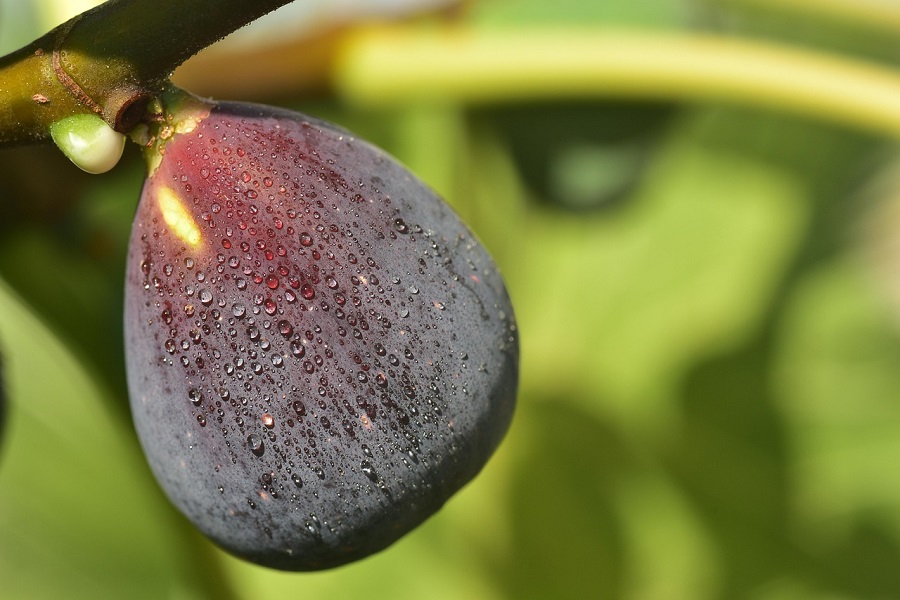
Fig Farming in India: Complete Cultivation, Yield & Profit Guide
Fig, locally known as Anjeer, is emerging as a high-value horticulture crop across India. Historically confined to parts of Maharashtra, Gujarat, and Karnataka, fig cultivation is now expanding into new territories like Bihar, Jharkhand, and Uttar Pradesh, driven by strong market demand and proactive government support. Known for its sweet taste, high nutritional value (rich in fiber, calcium, and antioxidants), and adaptability to dryland conditions, the fig offers Indian farmers a lucrative diversification option away from traditional water-guzzling crops .
For the Indian farmer, fig farming represents a smart long-term investment with a relatively quick payback. Grafted plants start bearing from the second year, reaching full commercial production by the fifth or sixth year. Recent research under semi-arid conditions in Western India has identified local genotypes like CHESFG-3 and CHESFG-5 that outperform commercial cultivars in both yield (up to 20.3 kg per plant) and fruit quality (Total Soluble Solids up to 20.7°Brix), signaling a bright future for fig cultivation in rain-fed areas . With the Government of Bihar launching a dedicated Fig Fruit Development Scheme in 2025 offering ₹50,000 per hectare subsidy across 32 districts, the momentum for fig farming is stronger than ever . This guide provides a complete, practical roadmap for farmers looking to capitalize on this opportunity.
📑 Table of Contents
- 1. Quick Crop Overview
- 2. About Fig Fruit
- 3. Climate & Soil Requirement
- 4. Best Fig Varieties for Cultivation
- 5. Propagation & Planting Material
- 6. Land Preparation & Planting
- 7. Irrigation Management
- 8. Month-wise Crop Calendar
- 9. Manure & Fertilizer Schedule
- 10. Intercropping & Weed Management
- 11. Training & Pruning
- 12. Pests and Diseases
- 13. Harvesting of Fig
- 14. Yield of Fig Crop
- 15. Post-Harvest Storage & Marketing
- 16. Cost of Fig Farming & Profit Margin
- 17. Advantages of Fig Cultivation
- 18. Government Schemes & Support (2025-26)
- 19. Value-Added Products & Processing
- 20. Common Mistakes & Challenges
- 21. FAQs
- 22. Conclusion
1. Quick Crop Overview
| Parameter | Details |
|---|---|
| Scientific Name | Ficus carica L. |
| Family | Moraceae |
| Origin | Western Asia & Middle East |
| Climate | Tropical & subtropical; Thrives in semi-arid conditions |
| Ideal Temperature | 15°C – 38°C |
| Optimal Rainfall | 500-800 mm (dry weather during fruiting preferred) |
| Soil & pH | Well-drained sandy loam to black cotton soil; pH 6.0 – 7.5 |
| Planting Season | July – August (Monsoon) or February – March (Spring) |
| Spacing | 5 m x 5 m to 6 m x 6 m |
| Plants per Acre | 110 – 160 plants |
| Fruiting Starts | 2nd – 3rd year |
| Full Bearing Age | 5th – 6th year onwards |
| Harvesting Season | March – June & August – November (two main crops) |
| Average Yield per Plant (Mature) | 10 – 20 kg |
| Yield Per Acre (Mature Orchard) | 1.5 – 3.0 tonnes |
| Economic Lifespan | 20-25 years |
2. About Fig Fruit
Fig is a unique fruit botanically known as a synconium-a fleshy, hollow receptacle with tiny flowers lining its inner surface. It is highly valued for its natural sweetness, soft texture, and exceptional nutritional profile. Figs are an excellent source of dietary fiber, natural sugars, calcium, potassium, and iron, along with potent antioxidants and phenolic compounds . This makes them popular in both fresh and dried forms, as well as in health foods and traditional medicine.
Major Fig Growing States in India (2026):
- Maharashtra: The leading producer, with prominent cultivation in Pune, Ahmednagar, and Satara districts.
- Gujarat: Significant production in Mehsana and Sabarkantha districts.
- Karnataka: Cultivation in Bellary, Chitradurga, and surrounding areas.
- Rajasthan & Uttar Pradesh: Growing areas with semi-arid conditions.
- Bihar (Emerging Hub): With the launch of the Anjeer Fal Vikas Yojana in 2025, Bihar is aggressively promoting fig cultivation across 32 districts, including Patna, Gaya, Muzaffarpur, and Bhagalpur .
- Telangana & Andhra Pradesh: Experimental and small-scale commercial farming expanding.
Market Demand (2026): India is a significant consumer of figs, ranking among the world’s top ten consuming nations. However, domestic production meets only a fraction of the demand, making India a net importer, primarily from Afghanistan . This demand-supply gap creates a substantial opportunity for Indian farmers to command excellent prices for quality produce. The market is segmented into fresh fig sales in metropolitan cities (Delhi-NCR, Mumbai, Bangalore, Hyderabad) and a massive dried fig market that supplies bakeries, confectioneries, and health-conscious consumers year-round .
3. Climate & Soil Requirement
🌤️ Climate for Fig Cultivation
Fig is well-suited to the semi-arid tropical and subtropical conditions prevalent in many parts of India. Its resilience to high temperatures and limited soil moisture makes it an ideal candidate for dryland horticulture .
- Temperature: Fig thrives in warm, dry conditions. The ideal temperature range is 15°C to 38°C. It can tolerate short spells of high temperatures up to 45°C, but extreme heat during fruiting may cause fruit drop. Young plants are sensitive to frost.
- Rainfall: It requires moderate rainfall of 500-800 mm annually. The most critical requirement is dry weather during the fruiting and ripening period. Heavy rains can cause fruit splitting and spoilage.
- Humidity: Low to moderate humidity is preferred. High humidity encourages fungal diseases.
- Sunlight: Full sunlight exposure is essential for proper fruit development, sugar accumulation, and disease prevention.
- Drought Tolerance: Once established, fig trees have excellent drought tolerance due to their deep root system, making them suitable for rain-fed farming in regions like Western India .
🌱 Soil Requirement
- Best Soil Type: Figs are adaptable but prefer well-drained, deep, and loamy soils. They grow well in sandy loam, alluvial, and even black cotton soils, provided drainage is good .
- Ideal pH: The optimum soil pH range is 6.0 to 7.5 (slightly acidic to slightly alkaline).
- Drainage: Excellent drainage is non-negotiable. Figs are highly susceptible to root rot in waterlogged conditions. Avoid heavy clay soils or areas with poor drainage.
- Soil Depth: Deep soils (minimum 1 meter) are preferred to support the extensive root system.
Practical Tip: Before planting, conduct a soil test. If your soil is heavy, consider planting on raised beds or ridges to improve drainage.
4. Best Fig Varieties for Cultivation
Selection of the right variety is crucial for commercial success. Recent research has highlighted the superior performance of certain local genotypes .
Promising Varieties for Indian Conditions (2026)
| Variety | Key Characteristics | Suitability |
|---|---|---|
| CHESFG-3 & CHESFG-5 | Identified as superior local genotypes in Western India. Show high adaptability to semi-arid stress. Yield: 15.8 – 20.3 kg/plant. Fruit Quality: TSS (sugar content) 18.5 – 20.7°Brix. High mineral content . | Highly Recommended for dryland and semi-arid regions of Maharashtra, Rajasthan, Karnataka, and Telangana. |
| Poona Fig | Popular traditional cultivar in Maharashtra. Purple-skinned, medium-sized, excellent sweetness. Good for fresh market. | Maharashtra and similar climates. |
| Dinkar (Black Genoa) | Vigorous grower, large fruits with dark purple skin and red flesh. Good for both fresh and drying. | Areas with slightly cooler winters. |
| Brown Turkey | Widely adapted, hardy, and productive. Produces medium-sized, pear-shaped fruits with brownish-purple skin and amber flesh. Reliable cropper. | North Indian plains, Bihar, UP. |
| Excel | Known for high-quality fruits suitable for drying. Good resistance to splitting. | Gujarat, Madhya Pradesh. |
Practical Tip: For farmers in Bihar covered under the Anjeer Fal Vikas Yojana, consult your District Horticulture Officer for recommendations on which varieties are being promoted through the scheme .
5. Propagation & Planting Material
Commercial fig farming relies on vegetative propagation to maintain true-to-type characteristics and ensure early bearing.
- Hardwood Cuttings: The most common and economical method. Mature, pencil-thick (1.5-2 cm diameter) cuttings of 20-25 cm length with 3-4 buds are taken during December-January (dormancy). These are treated with rooting hormones and planted in nursery beds or polybags.
- Air Layering (Gootee): Another effective method, though more labor-intensive. Roots develop in 4-6 weeks.
- Tissue Culture Plants: Becoming more available. These are disease-free, uniform, and have a higher establishment rate. Recommended for large-scale, high-density planting.
- Grafted Plants: Fig can be grafted onto rootstocks like Ficus palmata for increased tolerance to nematodes and specific soil conditions, though less common.
Plants Required Per Acre: Based on spacing, you will need:
- Normal spacing (6m x 6m): Approximately 110 plants
- High density (5m x 4m): Approximately 200 plants
Practical Tip: Always source planting material from a reputed, government-certified nursery to ensure varietal purity and freedom from diseases. For schemes like Bihar’s, nurseries may be empaneled by the horticulture department .
6. Land Preparation & Planting
Land Preparation
- Clearing & Ploughing: Clear the land of weeds and previous crop residues. Conduct a deep ploughing (30-40 cm) followed by harrowing to create a fine tilth.
- Layout & Pit Digging: Mark the spots for pits based on chosen spacing. Dig pits of size 60 cm x 60 cm x 60 cm ideally in the summer (April-May).
- Pit Filling Mixture (per pit): Refill the pits with a mixture of:
- Topsoil
- 10-15 kg of well-decomposed Farm Yard Manure (FYM) or compost
- 200 g Single Super Phosphate (SSP)
- 20 g Malathion dust (for termite/ant control, if needed)
Water the pits to allow the mixture to settle.
Planting Method
- Best Planting Season: The monsoon season (July – August) is ideal as it ensures good establishment. Spring planting (February – March) is also possible with regular irrigation.
- Planting Technique:
- Make a small hole in the center of the prepared pit.
- Place the plant (cutting/rooted layer) carefully, ensuring the root collar is at ground level.
- Fill the hole with soil, press gently to remove air pockets, and water immediately.
- Create a small basin around the plant for efficient watering.
- Aftercare: Provide staking if the area is windy. Mulch around the base with organic material (straw, dry leaves) to conserve moisture and suppress weeds.
7. Irrigation Management
While figs are drought-tolerant, regular irrigation is crucial for commercial yields and high-quality fruit. Drip irrigation is highly recommended for water efficiency and optimal growth.
Irrigation Schedule & Water Requirement
- Young Plants (Establishment Phase): Require frequent irrigation. Water every 4-5 days in the absence of rain for the first 2-3 months to ensure good root development.
- Growing Trees (1-3 years): Irrigate at 7-10 day intervals during dry periods.
- Mature Trees: Irrigate at intervals of 12-18 days depending on soil type and weather. The critical stages for irrigation are:
- Before and during flowering (February-March).
- During fruit development (April-May and September-October).
- Drip Irrigation: A micro-irrigation system is the most efficient method. The Government of India’s Per Drop More Crop (PDMC) scheme under PMKSY provides significant subsidies for its installation, promoting water use efficiency .
- Avoid: Over-irrigation and waterlogging, especially during winter and monsoon, as they can lead to root rot and fungal diseases.
Government Link: For details on subsidies for micro-irrigation, visit the official PMKSY website or your local agriculture department.
8. Month-wise Crop Calendar
(For the main producing regions in Western and Central India)
| Month | Growth Stage / Operation |
|---|---|
| January | Pruning of mature trees. Application of FYM and basal fertilizers. Preparation of cuttings for new nursery. |
| February – March | Spring Growth & Flowering. Irrigation management. Watch for aphids and leaf spot. |
| April – June | First Harvest (main crop in some regions). Regular picking of ripe fruits. Ensure adequate irrigation during fruit development. |
| July – August | Monsoon Planting for new orchards. Second growth flush. Weeding and disease management (to control fungal issues during rains). |
| September – November | Second Harvest (main crop in many regions). Peak harvesting period. Post-harvest management and marketing. |
| December | Dormancy. General orchard sanitation. Planning for next year’s pruning. |
9. Manure & Fertilizer Schedule
A balanced nutrition plan ensures high yields and good fruit quality. The following are general guidelines.
Annual Fertilizer Schedule (Per Plant, for Mature Trees)
| Time of Application | FYM (kg) | N (g) | P₂O₅ (g) | K₂O (g) |
|---|---|---|---|---|
| January (After pruning) | 20-25 | 200 | 150 | 200 |
| June – July (After monsoon onset) | – | 200 | – | 200 |
Note: For younger plants (1-3 years), reduce these doses by 50-60%. Adjust doses based on soil test reports and visible tree health. Micronutrient deficiencies, though rare in figs, can be corrected with foliar sprays if observed.
10. Intercropping & Weed Management
🌾 Intercropping
During the initial 3-4 years, when fig plants are widely spaced, intercropping provides extra income and optimizes land use.
- Suitable Intercrops:
- Legumes: Cowpea, moong (green gram), guar (cluster bean) – these fix nitrogen and improve soil health.
- Vegetables: Tomato, chilli, brinjal, onion, garlic.
- Short-duration flowers: Marigold (has added benefit of repelling some pests).
- Benefits: Additional income, weed suppression, and soil fertility improvement.
- Caution: Avoid tall crops like maize, sorghum, or sugarcane that can shade the fig plants. Stop intercropping once the fig canopy closes (around year 4).
🌿 Weed Management
- Mulching: Organic mulch (paddy straw, sugarcane trash, dry leaves) applied around the plant basin is highly effective for moisture conservation and weed suppression.
- Manual Weeding: Regular weeding (3-4 times a year) in the tree basins and inter-row spaces.
- Herbicides: Use as a last resort. Glyphosate can be used as a directed spray on emerged weeds, taking care to avoid any contact with fig foliage or green bark.
11. Training & Pruning
Proper training and annual pruning are key to maintaining tree health, productivity, and fruit quality.
- Training (First 2-3 Years): The most common system is the open center or vase system. Select 3-4 well-spaced, strong branches arising from the main trunk at a height of 60-75 cm to form the main scaffold. Remove all other competing branches and rootstock suckers.
- Annual Pruning (Mature Trees – December/January):
- Remove all dead, diseased, damaged, and crossing branches.
- Remove old, weak, and unproductive wood.
- Head back last year’s growth to encourage new, productive shoots. Fruiting occurs on new wood, so this stimulates next year’s crop.
- Maintain the open center for light penetration and air circulation.
12. Pests and Diseases
Figs are relatively hardy but can be affected by certain pests and diseases, especially under humid conditions.
Major Pests
- Fig Leaf Beetle: Adults and larvae feed on leaves, skeletonizing them. Control: Manual collection, spray neem-based insecticides or Cypermethrin if infestation is severe.
- Aphids: Suck sap from tender shoots, causing leaf curling and sooty mold. Control: Spray dimethoate or imidacloprid. Encourage natural predators like ladybird beetles.
- Mealybugs: Appear as white cottony masses on stems and fruits. They secrete honeydew, leading to sooty mold. Control: Prune infested parts, spray fish oil rosin soap or profenophos.
- Fruit Borers: Larvae bore into ripening fruits, causing rotting. Control: Remove and destroy affected fruits. Maintain clean orchard floor.
- Nematodes: Root-knot nematodes can be a problem in light soils. Control: Use nematode-free planting material, apply neem cake during pit filling, and practice crop rotation with marigold.
Major Diseases
- Rust: Orange-brown pustules on the underside of leaves, leading to defoliation. Control: Common in humid conditions. Prune for better air circulation. Spray with wettable sulphur or Mancozeb.
- Leaf Spot: Caused by various fungi (e.g., Cercospora). Brown to gray spots on leaves. Control: Remove affected leaves, spray Carbendazim or Mancozeb.
- Root Rot / Fusarium Wilt: Caused by waterlogging or soil-borne fungi. Leaves yellow, wilt, and plant may die. Control: Ensure excellent drainage. Avoid injury to roots. Drench soil with Trichoderma viride (a biofungicide) as a preventive measure.
- Fruit Rot: Occurs during high humidity or rains. Fruits develop water-soaked lesions and rot. Control: Avoid overhead irrigation during fruiting. Harvest fruits promptly. Maintain good air circulation.
Government Link: Farmers can now use digital tools for pest management. The government has launched a National Pest Surveillance System utilizing AI and Machine Learning. Extension workers and farmers can upload images of pests for timely identification and intervention advice, covering crops including fruits .
13. Harvesting of Fig
- When to Harvest: Figs are harvested when they are fully ripe, as they do not ripen off the tree. Maturity indicators include:
- Color change: The fruit develops its characteristic varietal color (e.g., purple, brown, or yellow-green).
- Softening: The fruit yields slightly to gentle pressure.
- Neck droop: The fruit bends at the stem (neck) when fully ripe.
- Latex: The milky latex at the stem end diminishes as the fruit ripens.
- Harvesting Season: Figs typically produce two main crops: a spring crop (April-June) and a larger autumn crop (August-November), depending on the region and variety.
- Harvesting Method:
- Harvest in the early morning hours when fruits are cool.
- Figs are extremely delicate. They must be hand-picked with great care.
- Wear gloves to avoid skin irritation from the latex.
- Gently twist and lift the fruit; it should detach easily from the stem if ripe. For some varieties, cutting with a small sharp tool is preferred.
- Place fruits gently in shallow, padded containers to avoid bruising.
- Yield per Harvest: A mature tree can be harvested over several weeks, requiring multiple pickings as fruits ripen gradually.
14. Yield of Fig Crop
Yield depends on variety, tree age, management practices, and climate.
- Year 1-2: No commercial yield.
- Year 3: Trees start bearing, yielding 2-5 kg per plant.
- Year 4-5: Yields increase significantly, reaching 8-12 kg per plant.
- Year 6 onwards (Full Bearing): A well-managed mature tree can yield 10 kg to over 20 kg of fruit annually. Recent studies in Western India recorded yields of 10.2 to 20.3 kg per plant among promising genotypes .
- Yield Per Acre: With 110 plants per acre, a mature orchard can produce 1.5 to 2.5 tonnes per acre. Under exceptional management with high-density planting and high-yielding varieties (like CHESFG-5), yields can approach 3 tonnes per acre.
15. Post-Harvest Storage & Marketing
Storage Methods
Fresh figs are highly perishable and require careful handling .
- Short-term (Room Temperature): Fresh figs last only 1-2 days at ambient temperature. They should be consumed or processed immediately.
- Refrigerated Storage: Figs can be stored for 5-7 days at a temperature of 0-2°C with 90-95% relative humidity.
- Drying: The most common preservation method. Figs are sun-dried or mechanically dried to produce dried figs (anjeer), which have a shelf life of 6-12 months.
Marketing Channels & Price (2026)
The Indian fig market is strong and growing, driven by health trends and urbanization .
- Fresh Fig Market (Premium Segment): High demand in metropolitan cities (Mumbai, Delhi, Bangalore, Hyderabad). Sold through high-end retail chains, fruit specialty stores, and online grocery platforms. Prices for high-quality fresh figs can range from ₹200 to ₹500 per kg depending on the season and variety.
- Dried Fig Market (Mass Segment): A stable and large market. Dried figs are sold through wholesale mandis, grocery stores, and increasingly, national brands. Farm-gate prices for dried figs are typically based on quality and size, ranging from ₹150 to ₹350 per kg.
- Processing Industry: Supply to food processors who use figs in jams, confectionery, bakery products, and health bars. This provides an alternative channel, especially for grade B/C fruits.
- Export Potential: While India imports figs, there is potential for niche exports of high-quality dried figs to markets like Nepal, the US, and Singapore, as seen in recent trade data .
Government Link: The government is strengthening digital infrastructure for agriculture, including the Kisan e-Mitra chatbot and platforms like the Krishi Decision Support System, which can help farmers access market information and weather advisories .
16. Cost of Fig Farming & Profit Margin
Disclaimer: These are estimates for 1 acre based on 2025-26 data. Actual figures vary by region, input costs, management, and market prices .
Assumptions: Spacing 5m x 5m (~160 plants), grafted plants, drip irrigation, yields from 6th year onwards.
A. Initial Investment (Years 1-5 – Orchard Establishment)
| Component | Cost (₹) |
|---|---|
| Land preparation, pit digging, & filling | 20,000 |
| Cost of plants (160 plants @ ₹100-150) | 20,000 |
| FYM and fertilizers (first 5 years) | 45,000 |
| Drip irrigation system (approx. cost, before subsidy) | 40,000 |
| Labour, weeding, intercropping expenses | 50,000 |
| Total Investment (Years 1-5) | ₹ 1,75,000 |
Note: The Bihar government has fixed the cultivation cost at ₹1.25 lakh per hectare (approx. ₹50,000 per acre) for their scheme, reflecting the direct costs involved in planting and maintenance . Our estimate includes infrastructure like drip irrigation.
B. Annual Maintenance Cost (From Year 6 onwards, per acre)
| Component | Cost (₹/year) |
|---|---|
| Fertilizers & Manure | 12,000 |
| Plant protection chemicals | 5,000 |
| Labour (pruning, spraying, weeding, irrigation) | 15,000 |
| Irrigation (electricity/diesel for drip) | 5,000 |
| Harvesting, grading, & packing | 15,000 |
| Total Annual Cost | ₹ 52,000 |
C. Income from Mature Orchard (Year 6 onwards)
Assuming market prices for fresh figs (primary market).
| Parameter | Estimate |
|---|---|
| Average yield per plant | 15 kg |
| Total plants fruiting (out of 160) | 150 |
| Total production | 2,250 kg (2.25 tonnes) |
| Average selling price (blend of fresh & drying grades) | ₹ 100 per kg |
| Gross Income | ₹ 2,25,000 |
D. Profit Calculation (Mature Orchard)
| Parameter | Amount (₹) |
|---|---|
| Gross Income | 2,25,000 |
| Annual Maintenance Cost | 52,000 |
| Net Profit Per Year | ₹ 1,73,000 |
Important Notes:
- Subsidy Impact: A 40% subsidy on establishment cost (like Bihar’s ₹50,000 per hectare) can significantly reduce the initial investment burden .
- Price Fluctuation: Prices can vary. Fresh fig prices can be much higher (₹200-500/kg) for direct marketing in cities, dramatically increasing profits. Conversely, prices for bulk dried figs could be lower.
- Break-even: The initial investment is typically recovered by the 6th or 7th year, after which the orchard generates profit for decades.
17. Advantages of Fig Cultivation
- High Value, Growing Demand: Strong and expanding market driven by health consciousness and a domestic supply-demand gap .
- Climate Resilience: Excellent drought tolerance and suitability for semi-arid, rain-fed areas, making it a climate-smart crop .
- Long Economic Life: Productive for 20-25 years, providing long-term income security.
- Early Bearing: Commercial yields start from the 3rd-4th year, faster than many other fruit trees.
- Multiple Marketing Channels: Options for fresh sale, drying, and supply to the processing industry, reducing market risk .
- Government Support: Eligible for central schemes like MIDH, PMKSY, and new state-level initiatives like Bihar’s Fig Fruit Development Scheme .
- Export Potential: Niche opportunities for high-quality dried figs in select international markets .
- Processing Opportunities: Suitable for various value-added products, increasing income potential.
18. Government Schemes & Support (2025-26 Update)
Several government initiatives support fig farmers. Key schemes for 2025-26 include:
- MIDH (Mission for Integrated Development of Horticulture): Restructured in 2025, this is the flagship central scheme for horticulture development. It provides financial assistance for area expansion (new orchards), planting material, and creation of water resources. Cost norms have been enhanced to include high-value crops like fig . Assistance for establishment can be up to 40-50% of the cost, subject to limits. For more details, visit the official MIDH website.
- PMKSY (Per Drop More Crop): Under the Pradhan Mantri Krishi Sinchayee Yojana, farmers can avail subsidies for installing micro-irrigation (drip/sprinkler) systems. The subsidy is 55% for small and marginal farmers and 45% for other farmers .
- Bihar Anjeer Fal Vikas Yojana (Fig Fruit Development Scheme): A landmark state-level scheme launched in 2025. It offers a 40% subsidy (up to ₹50,000 per hectare) on cultivation costs, distributed as ₹30,000 in the first year and ₹20,000 in the second year. It is implemented across 32 districts in Bihar . Farmers can apply online at horticulture.bihar.gov.in.
- Rainfed Area Development (RAD) under NMSA: This sub-scheme promotes Integrated Farming Systems (IFS) and horticulture in rain-fed areas. Fig is an ideal crop under this component. Assistance of up to 50% (₹25,000/ha) is available for planting material and other inputs .
- Market Intervention Scheme (MIS): For perishable horticultural commodities like figs not covered under MSP, the government can implement MIS to procure at a fixed price and protect farmers from distress sales during price crashes .
How to Apply: Farmers can apply through the State Horticulture Mission or their local District Horticulture Officer. Online portals like the UP Horticulture DBT portal or state-specific sites (like Bihar’s) are used for registration and application under DBT mode .
19. Value-Added Products & Processing
Processing figs adds significant value and creates a stable income stream, especially for fruits that are not suitable for the premium fresh market.
- Dried Figs (Anjeer): The most common and traditional value-added product. Figs are sun-dried or dehydrated. Quality dried figs with good size and color command excellent prices.
- Fig Jam & Preserves: Fig jam is a popular product in urban and export markets.
- Fig Syrup & Squash: Used in beverages and as a natural sweetener.
- Fig-Based Confectionery: Used in cakes, cookies, and as a filling.
- Fig Powder: Dried figs ground into powder are used in health supplements, smoothies, and as a natural sugar substitute.
- Fig Paste: Used as an ingredient in industrial bakery and confectionery.
- Nutraceuticals: Fig extracts are valued for their antioxidant and dietary fiber content and are used in the wellness industry .
Farmers can explore forming Farmer Producer Organizations (FPOs) to set up small-scale primary processing units (like solar drying facilities) to capture more value from their produce.
20. Common Mistakes & Challenges
- Poor Varietal Selection: Choosing a variety not well-suited to local climate or market preference. Relying on unimproved local strains with low yields .
- Inadequate Drainage: Planting figs in heavy or waterlogged soils, leading to root rot and tree death.
- Improper Pruning: Neglecting annual pruning leads to tangled canopies, reduced yields, and poor fruit quality.
- Over-Irrigation: Watering too frequently, especially during winter or fruiting, can reduce fruit quality and promote diseases.
- Under-Fertilization: Not providing adequate nutrition, especially potash, which is crucial for fruit development.
- Ignoring Pest and Disease Monitoring: Late detection of pests like fig leaf beetle or diseases like rust can lead to significant damage.
- Harvesting at the Wrong Stage: Picking figs too early (under-ripe and lacking sugar) or too late (over-ripe, mushy, and prone to spoilage).
- Rough Post-Harvest Handling: Bruising the delicate fruits, leading to rapid spoilage and loss of market value .
- Lack of Market Intelligence: Not understanding the price difference between fresh and dried markets, or not exploring direct marketing options in nearby cities.
- Not Leveraging Government Schemes: Missing out on available subsidies for planting, drip irrigation, and post-harvest infrastructure .
21. FAQs – Frequently Asked Questions
Q1. Is fig farming profitable in India?
A: Yes, fig farming is a high-value horticulture venture. A mature one-acre orchard can yield an annual net profit of ₹1.5 to ₹2.5 lakhs or more, depending on market prices and management. The demand-supply gap ensures a strong market .
Q2. How many years does a fig tree take to bear fruit?
A: Grafted fig plants start bearing a small crop from the 2nd or 3rd year after planting. Commercial yields begin from the 4th-5th year, and full production is achieved by the 6th year onward.
Q3. What is the yield of a fig tree?
A: A mature, well-managed fig tree (6+ years) can yield between 10 kg to 20 kg of fruit per year. Promising local genotypes like CHESFG-5 have recorded yields above 20 kg per plant .
Q4. What is the best soil for fig farming?
A: Well-drained, deep loamy soils with a pH between 6.0 and 7.5 are ideal. Good drainage is the most critical factor; avoid waterlogging .
Q5. Which is the best fig variety in India?
A: Recent research highlights CHESFG-3 and CHESFG-5 as superior local genotypes with high yield and fruit quality for semi-arid regions . For other regions, Poona Fig, Dinkar, and Brown Turkey are popular commercial choices.
Q6. What government schemes are available for fig farming in 2026?
A: Farmers can benefit from central schemes like MIDH (for orchard establishment) and PMKSY (for drip irrigation). Bihar has launched the Anjeer Fal Vikas Yojana, offering a 40% subsidy (up to ₹50,000/ha) for fig cultivation in 32 districts .
Q7. How do I control pests in fig farming organically?
A: Use neem-based insecticides for leaf-eating pests. Apply fish oil rosin soap for mealybugs. Practice good orchard sanitation and use pheromone traps where applicable. Encourage natural predators like ladybird beetles.
Q8. What is the market price of figs in India?
A: Prices vary greatly. Fresh, premium-quality figs can fetch ₹200-500 per kg in metropolitan retail markets. Dried figs typically sell for ₹150-350 per kg in wholesale and retail markets .
Q9. Can figs be grown in a rain-fed area?
A: Yes, figs are highly drought-tolerant once established and are considered an excellent crop for dryland and rain-fed horticulture, especially in semi-arid regions .
Q10. What is the lifespan of a fig tree?
A: With proper care and management, a fig tree has a long economic lifespan of 20 to 25 years.
22. Conclusion
Fig farming stands out as a compelling opportunity for the progressive Indian farmer of 2026. Backed by strong market fundamentals- a robust domestic demand that outstrips supply, high-value fresh and dried fruit segments, and growing awareness of its health benefits-fig offers a path to significant profitability . Its inherent climate resilience, particularly its ability to thrive in semi-arid and rain-fed conditions, aligns perfectly with the national imperative for climate-smart and water-efficient agriculture .
While the initial years require patient investment in orchard establishment and learning best practices in pruning and pest management, the long-term payoff is considerable: a productive lifespan of over two decades with annual net profits potentially exceeding ₹1.7 lakhs per acre. The proactive support from the government, seen in the restructuring of MIDH and pioneering state schemes like Bihar’s Anjeer Fal Vikas Yojana, provides a financial cushion and technical framework to help farmers succeed .
For farmers in traditional fruit belts and emerging regions alike, fig cultivation represents more than just a crop; it is a strategic move towards diversification, higher income, and long-term agricultural sustainability. By combining the strength of improved, high-yielding varieties with modern orchard management and available government support, Indian farmers are well-positioned to transform the country from a net fig importer into a major producer.
Ready to start your fig orchard?
Begin by getting your soil tested and visiting a successful fig farm in your state. Consult with your local District Horticulture Officer to learn about the latest schemes, especially if you are in Bihar or covered under MIDH. For high-quality planting material, reach out to a government-recommended nursery, such as those associated with ICAR or State Agricultural Universities. With careful planning and diligent effort, your fig orchard can become a source of prosperity for decades to come.
Disclaimer: The information provided in this guide is for general informational purposes only and is current as of March 2026. The costs, yields, profits, and cultivation practices mentioned are estimates and may vary significantly based on location, soil conditions, climate, management practices, and dynamic market factors. It is strongly recommended that farmers consult with local agricultural experts, KVKs, and state horticulture departments before making any investment decisions. This website and its authors disclaim any liability for financial losses or crop failures resulting from the use of this information.