Pomegranate Farming in India: Complete Cultivation Guide for High Profits
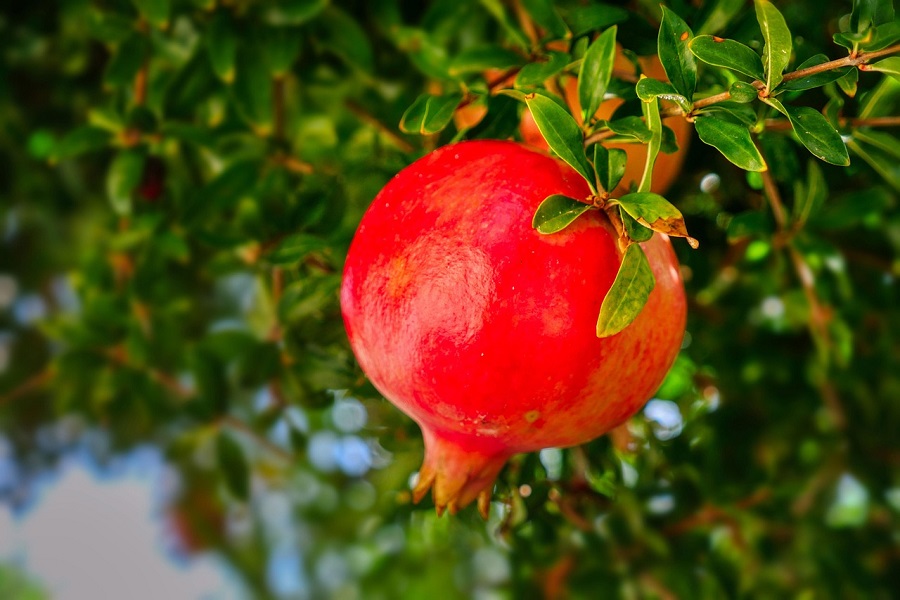
In the world of fruit farming, few crops combine health appeal, market value, and export potential as perfectly as pomegranate. Known as the ‘Ruby of India’ for its jewel-like arils, pomegranate has transformed from a traditional backyard fruit to a high-value commercial crop that’s changing farmers’ fortunes across the country. With its reputation as a superfood and growing demand in both domestic and international markets, pomegranate farming offers one of the most lucrative opportunities in horticulture today.
What makes pomegranate particularly attractive is its adaptability to semi-arid regions where many other fruits struggle. It’s a crop that rewards smart farming with premium prices – especially the Bhagwa variety, which has become the gold standard for quality and profitability. Whether you’re in Maharashtra’s dry belts or Karnataka’s plains, pomegranate can thrive with proper management and give you returns that often surpass traditional crops.
This comprehensive guide covers every aspect of pomegranate cultivation, from selecting the right variety to mastering the techniques that maximize yield and quality. We’ll focus on practical, field-tested methods that have made Indian pomegranate farmers successful, helping you avoid common pitfalls and secure premium prices for your produce.
Table of Contents
- Quick Pomegranate Crop Overview
- About Pomegranate Fruit
- Climate & Soil Requirements
- Popular Pomegranate Varieties
- Propagation Methods
- Land Preparation
- Planting Method
- Irrigation Management
- Fertilizer Schedule
- Intercropping & Weed Management
- Pruning & Training
- Pest & Disease Management
- Flowering & Fruiting
- Harvesting Techniques
- Yield Potential
- Storage & Marketing
- Cost & Profitability Analysis
- Advantages of Pomegranate Farming
- Government Support Schemes
- Organic Pomegranate Farming
- Common Mistakes to Avoid
- Frequently Asked Questions
- Conclusion
🌱 Pomegranate Crop Overview at a Glance
| Parameter | Details |
|---|---|
| Scientific Name | Punica granatum |
| Botanical Family | Lythraceae |
| Origin | Iran to Himalayas |
| Climate Requirement | Subtropical to Tropical, Semi-Arid |
| Soil Type & pH | Well-drained loam; pH 6.5-7.5 |
| Planting Season | June-July (Rainfed), Feb-March (Irrigated) |
| Spacing | 4m x 4m (250 plants/acre) or 5m x 5m (160 plants/acre) |
| First Harvest | 2-3 years after planting |
| Full Production | 5th year onwards |
| Yield Per Acre (Mature) | 8-12 tonnes (Bhagwa variety) |
| Economic Lifespan | 15-20 years |
About Pomegranate Fruit
Pomegranate (Punica granatum) is a deciduous shrub that grows 5-8 meters tall, producing distinctive red flowers and spherical fruits with a leathery rind. The fruit is actually a berry containing hundreds of edible seeds called arils, each surrounded by juicy pulp. Native to the region from Iran to the Himalayas, pomegranate has been cultivated in India for thousands of years, with references in ancient Ayurvedic texts praising its medicinal properties.
Nutritionally, pomegranate is a powerhouse. It’s exceptionally rich in antioxidants (particularly punicalagins), vitamin C, vitamin K, folate, and potassium. Research shows it has anti-inflammatory properties, supports heart health, and may help prevent certain cancers. This “superfood” status has driven global demand and premium pricing.
Economic Importance: Pomegranate has become one of India’s most important export fruits. India is among the world’s largest producers, with Maharashtra leading in both area and production. The crop’s ability to thrive in semi-arid conditions makes it ideal for water-scarce regions, while its high value compensates for relatively lower yields compared to other fruits.
Commercial & Processing Uses:
- Fresh Consumption: Table varieties like Bhagwa, Ganesh for domestic and export markets
- Juice Production: Growing demand for fresh and packaged pomegranate juice
- Value-Added Products: Anardana (dried seeds), concentrates, jams, and wine
- Pharmaceutical: Extracts for supplements and medicines
- Cosmetic Industry: Pomegranate oil for skincare products
- Export: Fresh fruits to UAE, Netherlands, UK, Russia, and Bangladesh
Climate & Soil Requirements for Pomegranate
🌤️ Ideal Climate for Pomegranate Cultivation
- Suitable Climate: Semi-arid to subtropical climate with hot, dry summers and cool winters
- Temperature Range: Optimal growth at 25°C to 35°C. Can tolerate up to 45°C in summer and down to -10°C in winter when dormant
- Rainfall Requirement: 500-800 mm annually. Low humidity during fruiting prevents diseases
- Frost Sensitivity: Young plants are sensitive; mature plants tolerate light frost when dormant
- Sunlight Needs: Requires full sunlight (at least 6-8 hours daily) for good fruiting and sweetness
- Critical Factor: Dry climate during flowering and fruit development prevents fungal diseases
🌱 Best Soil for Pomegranate Farming
- Best Soil Type: Deep, well-drained loamy soil is ideal. Can tolerate slightly alkaline soils
- Soil pH Range: 6.5 to 7.5 (neutral to slightly alkaline). Can tolerate up to pH 8.5
- Drainage Requirement: Excellent drainage is crucial – waterlogging kills plants
- Soil Depth: Minimum 1.5-2 meters depth for root development
- Soil Preparation Tip: If soil is heavy clay, add river sand and organic matter to improve drainage
📍 India Context: Best States and Regions
- Major Producing States: Maharashtra (70% of India’s production), Karnataka, Gujarat, Andhra Pradesh, Telangana, Tamil Nadu, Rajasthan
- Leading Regions: Solapur, Sangli, Satara, Nashik (Maharashtra); Bijapur, Bagalkot (Karnataka); Kutch (Gujarat)
- Practical Advice: The semi-arid regions of Deccan Plateau are ideal. Avoid areas with high rainfall during flowering and fruiting periods
Best Pomegranate Varieties for Cultivation in India
1. Commercial Varieties (Most Popular)
- Bhagwa (Kesar):
- Most popular commercial variety
- Large, deep red fruits with soft seeds
- High yield: 12-15 tonnes/acre
- Excellent for export due to color and shelf life
- Susceptible to bacterial blight – needs careful management
- Ganesh:
- Earlier variety, light pink arils
- Medium-sized fruits with hard seeds
- Good for processing and domestic market
- More resistant to diseases than Bhagwa
- Mridula:
- Similar to Bhagwa but with darker arils
- Good yield and quality
- Popular in Karnataka region
- Arakta:
- Deep red arils, medium-sized fruits
- Good for both table and processing
2. Other Notable Varieties
- Jyoti: Early variety, suitable for Rajasthan conditions
- Ruby: Medium-sized, sweet fruits
- Paper Shell: Thin rind, easy to peel
- Spanish Sweet: Sweet variety for table purpose
3. Selection Criteria for Farmers
| Purpose | Recommended Variety | Key Features |
|---|---|---|
| Export & Premium Market | Bhagwa (Kesar) | High price, excellent color, good shelf life |
| Domestic Market | Ganesh, Mridula | Good yield, disease tolerance |
| Processing (Juice) | Ganesh, Arakta | High juice content, good color |
| Disease-prone Areas | Ganesh | Better resistance to bacterial blight |
Critical Tip: For commercial farming, Bhagwa is recommended despite disease susceptibility because of its premium price. However, you must be prepared for intensive disease management.
Propagation Methods in Pomegranate
Pomegranate is commercially propagated through vegetative methods to maintain varietal purity and ensure early fruiting.
1. Air Layering (Most Common Commercial Method)
- Best Time: June-July (monsoon season)
- Method:
- Select healthy, pencil-thick branches from mother plant
- Make 2-3 cm ring of bark removal
- Apply rooting hormone (IBA 2000 ppm)
- Wrap with moist sphagnum moss and polythene
- Roots develop in 30-45 days
- Separate and plant in nursery bags
- Advantages: True-to-type plants, early fruiting (2 years)
2. Hardwood Cuttings
- Best Time: December-January (dormant season)
- Method:
- Take 20-25 cm long cuttings from one-year-old wood
- Thickness: Pencil to thumb thickness
- Treat with rooting hormone
- Plant in nursery beds or polybags
- Success Rate: 60-70% with proper care
3. Tissue Culture Plants
- Advantages: Disease-free, uniform growth, high success rate
- Source: Buy from certified tissue culture labs
- Cost: Higher but worth it for disease-free planting
4. Plant Requirement per Acre
- Moderate Density: 4m x 4m = 250 plants/acre
- Wider Spacing: 5m x 5m = 160 plants/acre
- High-Density (New Trend): 3m x 2m = 666 plants/acre
- Practical Tip: Keep 10% extra plants for gap filling. For commercial farming, start with 250 plants/acre at 4m x 4m spacing.
Land Preparation for Pomegranate Orchard
Proper land preparation is crucial for pomegranate’s long lifespan (15-20 years).
- Field Clearing: Remove all weeds, stones, and previous crop residues. Deep-rooted perennial weeds must be completely eradicated.
- Deep Ploughing:
- First ploughing: Deep plough with mouldboard plough to 45-60 cm depth
- Second ploughing: Cross ploughing after 15 days
- Third ploughing: Fine tilth preparation with harrow or cultivator
- Leveling: Level the field perfectly for uniform irrigation. Laser leveling is recommended for large areas.
- Pit Digging:
- Mark planting spots as per chosen spacing
- Pit size: 60cm x 60cm x 60cm (for heavy soils) or 45cm x 45cm x 45cm (for light soils)
- Keep top soil (first 30cm) and sub-soil separately
- Pits should be dug 2-3 weeks before planting
- Pit Filling & Treatment:
- Mix top soil with 15-20 kg well-decomposed FYM or compost
- Add 2 kg Neem cake + 500 gm Single Super Phosphate (SSP) + 250 gm Muriate of Potash (MOP)
- For termite control: Mix 30 gm Chlorpyriphos dust or Carbofuran 3G
- For bacterial blight prevention: Add 100 gm Trichoderma viride per pit
- Fill pits and allow to settle for 2-3 weeks
- Drainage Channels: Create proper drainage channels around the field to prevent waterlogging during heavy rains.
Planting Method of Pomegranate
Best Planting Seasons
- Rainfed Conditions: June-July (with onset of monsoon)
- Irrigated Conditions: February-March (spring planting)
- Avoid: Peak summer (April-May) and winter (December-January)
Planting Technique
- Make a small hole in the center of the prepared pit
- Remove the polybag carefully without disturbing the root ball
- Place the plant in the hole at the same depth it was in the nursery
- Fill the gaps with soil and press gently to remove air pockets
- Water immediately after planting
- Provide temporary shade in summer planting
Post-Planting Care
- Staking: Provide bamboo support to keep plant straight
- Mulching: Apply 8-10 cm thick organic mulch around plant (keep away from stem)
- Initial Pruning: After planting, cut back to 60-75 cm height to encourage branching
- Gap Filling: Replace dead plants within 1 month
- Wind Protection: In windy areas, establish windbreaks or provide individual plant protection
High-Density Planting System
- Spacing: 3m x 2m (666 plants/acre) or 3m x 1.5m (888 plants/acre)
- Advantages: Higher early yields, better land utilization
- Management: Intensive pruning required, drip irrigation essential
- Suitable for: Bhagwa variety with controlled growth
Irrigation Management in Pomegranate Farming
Pomegranate is drought-tolerant but responsive to irrigation. Proper water management is key to quality and yield.
Water Requirements
- Annual Requirement: 800-1000 mm (including rainfall)
- Young Plants (1-2 years): Frequent light irrigation for establishment
- Bearing Plants:
- Summer: Every 7-10 days
- Winter: Every 15-20 days
- Rainy season: No irrigation needed
Critical Growth Stages for Irrigation
- Flowering (February-March): Adequate moisture for good flower set
- Fruit Development (April-June): Regular irrigation for fruit size
- Fruit Ripening (July-August): Reduce irrigation 15-20 days before harvest for better color and sweetness
- After Harvest (September): Light irrigation to support plant recovery
- Winter Rest (November-January): Minimal irrigation to induce dormancy
Drip Irrigation System (Highly Recommended)
- Benefits:
- 40-50% water saving
- 30-40% increase in yield
- Reduces fungal and bacterial diseases
- Enables precise fertigation
- Government subsidy: 50-60% under PMKSY
- System Design:
- Main line: 63mm or 75mm PVC pipe
- Laterals: 12mm or 16mm LLDPE
- Drippers: 2 per plant @ 4 LPH each
- Operation: 30-40 minutes daily in summer
Special Irrigation Practice: Bahar Treatment
- What is Bahar? Regulating flowering for off-season production
- Method: Withhold irrigation for 45-60 days to stress plants, then irrigate heavily to induce flowering
- Types:
- Ambe Bahar: Flowering in Jan-Feb, harvest in June-July
- Mrig Bahar: Flowering in June-July, harvest in Nov-Dec (most common)
- Hasta Bahar: Flowering in Sept-Oct, harvest in Feb-March
- Purpose: To get premium prices in off-season markets
Warning: Never allow waterlogging. Pomegranate roots are very sensitive to stagnant water.
Manure & Fertilizer Schedule for Pomegranate
Pomegranate requires balanced nutrition for quality fruiting. Soil testing every 2-3 years is recommended.
Basal Dose (During Pit Preparation)
- 15-20 kg FYM/compost per pit
- 2 kg Neem cake per pit
- 500 gm SSP + 250 gm MOP per pit
- 100 gm Trichoderma viride for disease prevention
| Plant Age | FYM/Compost (kg/plant) | N (gm/plant) | P₂O₅ (gm/plant) | K₂O (gm/plant) | Application Time |
|---|---|---|---|---|---|
| 1st Year | 10 | 200 | 100 | 100 | Split into 3 doses at 3, 6, 9 months |
| 2nd Year | 15 | 300 | 150 | 150 | Split into 3 doses: Feb, June, Sept |
| 3rd Year | 20 | 400 | 200 | 200 | Split into 3 doses: Feb, June, Sept |
| 4th Year & Above | 25 | 600 | 300 | 300 | Split: 50% in Feb, 25% each in June & Sept |
Micronutrient Requirements
- Zinc: Critical for pomegranate. Apply 0.5% Zinc Sulphate spray at flowering and fruit set
- Boron: Important for fruit set and quality. Apply 0.1% Borax spray at flowering
- Iron: For chlorosis in alkaline soils. Apply 0.5% Ferrous Sulphate + 0.1% Citric acid
- Calcium: For fruit firmness and shelf life. Foliar spray of Calcium Nitrate (0.5%)
Fertigation Schedule (For Drip Irrigation)
- February-March: Higher nitrogen for vegetative growth
- April-June: Higher potassium for fruit development
- July-August: Balanced NPK for fruit maturity
- After Harvest: Higher phosphorus for root development
- Water Soluble Fertilizers: 19:19:19, 13:0:45, 12:61:0 etc.
Organic Alternatives
- Replace FYM with Vermicompost @ 10kg/plant/year
- Use Jeevamrut or Panchagavya @ 10% spray monthly
- Apply biofertilizers: Azospirillum, PSB, VAM @ 50gm/plant each
- Rock phosphate and wood ash as natural sources
Intercropping & Weed Management
🌾 Intercropping in Pomegranate Orchard
During first 3-4 years, intercrops provide additional income:
- Legumes: Green gram, Black gram, Cowpea (fix nitrogen)
- Vegetables: Onion, Garlic, Tomato, Brinjal
- Pulses: Bengal gram, Lentil
- Spices: Coriander, Fenugreek, Cumin
- Avoid: Tall crops like sugarcane, maize
Rule: Maintain 1-meter clean circle around each pomegranate plant. Stop intercropping after 4th year when canopy closes.
🌿 Weed Management
- Manual Weeding: First 2 years critical, weed every month
- Mulching: Most effective method. Use:
- Organic mulch: Dry leaves, paddy straw, sugarcane trash (10-15 cm thick)
- Plastic mulch: Black polythene (controls weeds, conserves moisture)
- Chemical Control:
- Pre-emergence: Pendimethalin 1.0 kg ai/ha before weed emergence
- Post-emergence: Glyphosate 1.0 kg ai/ha as directed spray (avoid plant contact)
- Caution: Use herbicides only when necessary and follow label instructions
- Intercropping: Smother crops reduce weed growth naturally
Pruning and Training in Pomegranate
Proper pruning is essential for shape, light penetration, and quality fruiting.
Training Systems
- Single Stem System (Recommended):
- Allow single stem to grow to 60-75 cm height
- Encourage 3-4 primary branches at 30-40 cm height
- These become main scaffold branches
- Multi-Stem System (Traditional):
- Allow 4-5 stems from base
- Common in rainfed conditions
- Lower management requirement
- Espalier System (For High-Density):
- Plants trained on wires
- Better light penetration
- Higher planting density possible
Pruning Schedule
- Initial Pruning: After planting, cut back to 60-75 cm
- Annual Pruning (October-November):
- Remove dead, diseased, crossing branches
- Thin out crowded growth
- Remove water shoots and suckers
- Maintain open center for light penetration
- Summer Pruning (May-June):
- Light pruning to remove excess growth
- Improve air circulation
- Fruit Thinning: Remove 30-40% of flowers/fruits for better size and quality
Special Pruning for Bahar Treatment
- Before inducing bahar, do heavy pruning
- Remove all leaves to induce stress
- Follow with irrigation and fertilization to induce synchronized flowering
Tools and Precautions
- Use sharp, clean pruning tools
- Disinfect tools between plants with bleach solution
- Paint large cuts with Bordeaux paste or Chaubattia paste
- Prune in dry weather to prevent disease entry
Pests and Diseases in Pomegranate Farming
Major Pests
- Inject kerosene in holes, Swab stem with Chlorpyriphos
| Pest | Symptoms | Control Measures |
|---|---|---|
| Fruit Borer (Deudorix isocrates) | Holes in fruits, rotting from inside | Bag fruits, Spray Quinalphos 0.05%, Install pheromone traps |
| Thrips | Silver streaks on fruits, scabby appearance | Spray Imidacloprid 0.005%, Maintain orchard hygiene |
| Mealybug | White cottony masses, sooty mould | Release Cryptolaemus beetles, Spray Chlorpyriphos 0.05% |
| Whitefly | Yellowing leaves, sticky honeydew | Yellow sticky traps, Spray Acephate 0.075% |
| Stem Borer | Holes in stem, sawdust excretion | |
| Fruit Fly | Maggots in fruits, premature drop | Bait traps, Bag fruits, Collect fallen fruits |
Major Diseases
| Disease | Symptoms | Control Measures |
|---|---|---|
| Bacterial Blight (Xanthomonas axonopodis) | Dark brown spots on leaves, fruits; cracking and oozing | Most serious disease. Use disease-free plants, Copper oxychloride 0.3% spray, Streptocycline 500 ppm |
| Fruit Spot (Cercospora) | Small black spots on fruits and leaves | Mancozeb 0.2% or Carbendazim 0.1% spray |
| Fruit Rot (Phytophthora) | Water-soaked lesions, fruits rot on tree | Improve drainage, Metalaxyl or Fosetyl-Al sprays |
| Powdery Mildew | White powdery growth on leaves | Wettable sulphur 0.25% or Dinocap 0.1% |
| Root Rot | Wilting, yellowing, root decay | Improve drainage, Drench with Carbendazim 0.1%, Use Trichoderma |
| Alternaria Fruit Spot | Concentric rings on fruits | Mancozeb 0.2% or Azoxystrobin sprays |
Integrated Pest-Disease Management (IPDM)
- Prevention:
- Use certified disease-free planting material
- Maintain orchard sanitation
- Ensure proper drainage
- Practice crop rotation in intercropping
- Monitoring: Regular field inspection (weekly)
- Intervention: Timely application of control measures
- Record Keeping: Maintain spray diary
Special Note on Bacterial Blight Management
This is the most serious disease, especially for Bhagwa variety:
- Avoid overhead irrigation
- Prune and burn infected parts immediately
- Spray schedule: Copper oxychloride 0.3% + Streptocycline 500 ppm (3 sprays at 15-day intervals)
- Disinfect pruning tools regularly
- In severe cases, remove and burn entire plant
Flowering and Fruiting in Pomegranate
Flowering Pattern
- Flower Types:
- Hermaphrodite (Fruitful): Bell-shaped, produce fruits
- Male (Sterile): Vase-shaped, don’t produce fruits
- Flowering Season:
- Natural flowering: February-March
- Regulated flowering (Bahar): Can be induced in different seasons
- Pollination: Cross-pollinated by insects (bees, ants)
- Fruit Set: Only 40-50% of flowers set fruits naturally
Fruit Development Stages
- Fruit Set (0-30 days): Small fruits, rapid cell division
- Fruit Growth (30-90 days): Rapid size increase
- Color Development (90-120 days): Color changes from green to red
- Maturation (120-150 days): Seeds harden, arils sweeten
- Ripening (150-180 days): Full color development, optimal sweetness
Factors Affecting Fruit Quality
- Temperature: Hot, dry climate during ripening gives better color
- Water: Adequate irrigation during growth, reduced before harvest
- Nutrition: Potassium for sweetness, calcium for firmness
- Light: Full sunlight for color development
- Fruit Thinning: Remove 30-40% fruits for better size
Bahar Treatment for Regulated Cropping
- Purpose: To get fruits when market prices are high
- Methods:
- Water Stress: Withhold irrigation for 45-60 days
- Chemical: Ethephon 500 ppm spray to defoliate
- Pruning: Remove leaves manually or by pruning
- Timing:
- For Mrig Bahar (main crop): Stress in May-June, irrigate in July
- For Ambe Bahar (early crop): Stress in Oct-Nov, irrigate in Dec-Jan
- For Hasta Bahar (late crop): Stress in Jan-Feb, irrigate in March
Harvesting of Pomegranate
Harvest Timing
- Maturity Indicators:
- Color change: Green to yellowish-red to deep red
- Metallic sound when tapped
- Sepals (crown) dry up and turn inward
- Arils deep colored and sweet
- Harvesting Age: 5-6 months after flowering
- Best Time: Morning hours to reduce field heat
- Stage for Export: Harvest at color break stage for longer shelf life
Harvesting Method
- Use sharp secateurs or clippers
- Cut fruit with 1-2 cm stem attached
- Handle gently to avoid bruising
- Place in padded containers or baskets
- Don’t drop fruits or pile them high
Post-Harvest Handling
- Grading:
- Export Grade: 300-400 gm, uniform color, no blemishes
- Domestic Grade: 200-300 gm, minor blemishes allowed
- Processing Grade: Small, damaged, or overripe fruits
- Cleaning: Wipe with soft cloth, remove leaves and debris
- Waxing: Food-grade wax for export fruits to enhance shine and shelf life
- Packaging:
- Single-layer CFB boxes with dividers
- Fruit size: 16, 20, 24, 28, 32 counts per box
- Label with variety, grade, grower details
- Pre-cooling: Cool to 8-10°C within 6 hours of harvest
- Storage: 5-7°C at 90-95% RH for 2-3 months
Yield per Plant at Different Ages
| Plant Age | Yield/Plant (kg) | Remarks |
|---|---|---|
| 3rd Year | 8-12 | First economic harvest |
| 5th Year | 15-20 | Full production starts |
| 8th-12th Year | 20-25 | Peak production |
| 15th Year onwards | 15-18 | Declining phase |
Yield of Pomegranate Crop
Expected Yield
| Parameter | Bhagwa Variety | Ganesh Variety |
|---|---|---|
| Yield per Plant (mature) | 18-25 kg | 12-18 kg |
| Yield per Acre (160 plants) | 2,880 – 4,000 kg | 1,920 – 2,880 kg |
| Yield per Acre (250 plants) | 4,500 – 6,250 kg | 3,000 – 4,500 kg |
| Yield per Hectare | 12-15 tonnes | 8-12 tonnes |
| Fruits per Plant | 60-80 | 40-60 |
| Average Fruit Weight | 250-350 gm | 200-300 gm |
Factors Affecting Yield
- Variety: Bhagwa yields 30-40% more than Ganesh
- Planting Density: High-density gives higher early yields
- Irrigation: Drip irrigation increases yield by 30-40%
- Nutrition: Balanced fertilization critical
- Pest Management: Bacterial blight can reduce yield by 50-100%
- Pruning: Proper pruning improves fruit size and quality
- Climate: Hot, dry weather during ripening improves quality
How to Increase Yield
- Use certified Bhagwa plants from reliable sources
- Adopt high-density planting with drip irrigation
- Practice regulated cropping (Bahar) for premium prices
- Implement IPDM for bacterial blight control
- Apply micronutrients (Zn, B, Ca) at critical stages
- Practice fruit thinning for better size
Storage and Marketing of Pomegranate
Storage Methods
- Short-term Storage (2-3 weeks): 5-7°C at 90-95% RH
- Medium-term Storage (1-2 months): 5°C at 90-95% RH with proper packaging
- Long-term Storage (2-3 months):
- 5°C at 90-95% RH
- Controlled atmosphere: 3-5% O₂ + 5-10% CO₂
- Wax coating to reduce moisture loss
- Pre-cooling: Essential within 6 hours of harvest
- Packaging: Ventilated CFB boxes with polyethylene liner
Marketing Channels
- Export Market:
- Main destinations: UAE, Netherlands, UK, Russia, Bangladesh
- Requirements: GAP certification, phytosanitary certificate
- Grades: Premium (300-350 gm), A (250-300 gm), B (200-250 gm)
- Domestic Wholesale Markets:
- Major mandis: Mumbai, Delhi, Bengaluru, Chennai, Kolkata
- Prices vary seasonally (highest in off-season)
- Modern Retail:
- Supermarkets, hypermarkets
- Require consistent quality and supply
- Processing Units:
- Juice extraction companies
- Lower price but bulk purchase
- Direct Marketing:
- Farmers’ markets
- Online sales
- Institutional sales (hotels, restaurants)
Price Trends
- Peak Season (Nov-Jan): ₹40-60/kg at farmgate
- Off-Season (June-Aug): ₹80-120/kg at farmgate
- Export Price: ₹100-150/kg FOB
- Processing Grade: ₹20-30/kg
Value Addition Opportunities
- Fresh-cut Arils: Ready-to-eat packaged arils
- Juice Concentrate: For beverage industry
- Anardana: Dried seeds for culinary use
- Pomegranate Powder: For health supplements
- Wine and Vinegar: Alcoholic and non-alcoholic beverages
Export Requirements
- APEDA registration
- Good Agricultural Practices (GAP) certification
- Phytosanitary certificate from plant quarantine
- Vapor Heat Treatment (VHT) for certain markets
- Traceability system
Cost of Pomegranate Farming & Profit Margin Analysis
Cost of Cultivation for 1 Acre (Bhagwa Variety, 250 plants)
| Cost Component | Year 1 (₹) | Year 2 (₹) | Year 3 onwards (₹) |
|---|---|---|---|
| Land Preparation & Pits | 15,000 | – | – |
| Planting Material (250 plants) | 25,000 | 5,000 (gap filling) | – |
| Drip Irrigation System | 40,000 | 5,000 (maintenance) | 5,000 |
| Fertilizers & Manures | 20,000 | 25,000 | 30,000 |
| Plant Protection | 8,000 | 12,000 | 15,000 |
| Labour Charges | 30,000 | 35,000 | 40,000 |
| Miscellaneous | 12,000 | 8,000 | 10,000 |
| Total Annual Cost | 1,50,000 | 90,000 | 1,00,000 |
Note: Drip subsidy of 50% (₹20,000) not included in above cost
Income & Profit Projection (Per Acre)
| Year | Yield (kg) | Price (₹/kg) | Gross Income (₹) | Net Profit (₹) | Remarks |
|---|---|---|---|---|---|
| Year 1 | – | – | – | -1,50,000 | Establishment year, no yield |
| Year 2 | 500 | 60 | 30,000 | -60,000 | Light crop, establishment continues |
| Year 3 | 2,500 | 60 | 1,50,000 | 50,000 | First economic harvest |
| Year 4 | 4,000 | 60 | 2,40,000 | 1,40,000 | Increasing yield |
| Year 5 onwards | 6,000 | 60 | 3,60,000 | 2,60,000 | Full production |
Profitability Analysis
- Break-even Point: Year 4 (cumulative profit becomes positive)
- Annual Profit at Full Production: ₹2-3 lakhs/acre
- Return on Investment (ROI): 250-300% at full production
- Payback Period: 4-5 years
- Profit with Off-season Production: Can increase by 50-100% with Bahar treatment
Factors Enhancing Profitability
- Adopt high-density planting for early returns
- Practice regulated cropping (Bahar) for premium prices
- Focus on export-quality production
- Implement drip irrigation for water and cost saving
- Join FPOs for better marketing and input purchase
- Add value through grading and packaging
Advantages of Pomegranate Cultivation
- High Economic Returns: One of most profitable fruit crops
- Export Potential: Growing international demand, premium prices
- Drought Tolerance: Suitable for semi-arid regions with water scarcity
- Long Productive Life: 15-20 years of economic production
- Health Food Status: Growing demand due to superfood reputation
- Regulated Cropping: Bahar treatment allows off-season production for higher prices
- Multiple Uses: Fresh consumption, juice, processing, medicinal
- Government Support: Subsidies for drip irrigation, planting material
- Intercropping Possible: Additional income during initial years
- Storage Capability: Can be stored for 2-3 months, helping in price regulation
Government Support & Schemes for Pomegranate Farming
Central Government Schemes
- Mission for Integrated Development of Horticulture (MIDH):
- 50% subsidy on planting material (up to ₹20,000/ha)
- 55% subsidy on drip irrigation system
- Support for pack houses, cold storage, processing units
- Assistance for organic cultivation certification
- PMKSY (Per Drop More Crop): 55% subsidy on micro-irrigation
- National Horticulture Board (NHB): Credit-linked subsidy for commercial projects
- APEDA: Export promotion, market development assistance
- RKVY (Rashtriya Krishi Vikas Yojana): Integrated farming system support
State Government Schemes (Major Producing States)
- Maharashtra:
- Pomegranate Cluster Development Program
- Special package for pomegranate farmers
- Subsidy on anti-hail nets
- Karnataka:
- Pomegranate Development Program
- Support for drip irrigation and mulching
- Training programs through universities
- Gujarat:
- Pomegranate cultivation in Kutch region
- Subsidy on planting material and inputs
How to Avail Benefits
- Contact District Horticulture Officer or Agriculture Officer
- Submit required documents:
- Land records (7/12 extract)
- Aadhaar card
- Bank account details
- Project report for large areas
- Apply before starting cultivation (for planting material subsidy)
- For drip subsidy, get technical approval from irrigation department
- Join Farmer Producer Organization (FPO) for collective benefits
Research Support
- National Research Centre for Pomegranate (NRCP), Solapur:
- Provides technical guidance
- Supplies elite planting material
- Conducts training programs
- Disease diagnostic services
- State Agricultural Universities:
- MPKV, Rahuri (Maharashtra)
- UAS, Dharwad (Karnataka)
- AAU, Anand (Gujarat)
Organic Pomegranate Farming
Organic Practices
- Soil Management:
- Green manuring with Sunnhemp, Dhaincha, Cowpea
- Vermicompost @ 10-15 kg/plant/year
- Biofertilizers: Azospirillum, PSB, VAM @ 50 gm each/plant
- Neem cake, Castor cake as organic manure
- Nutrient Management:
- Jeevamrut: 10% spray every 15 days
- Panchagavya: 3% spray at flowering and fruit set
- Vermiwash: Foliar spray for micronutrients
- Rock phosphate and wood ash as natural sources
- Pest Management:
- Neem oil 0.5% + garlic-chilli extract for sucking pests
- Trichoderma and Pseudomonas for disease control
- Biological control: Release of Cryptolaemus for mealybug
- Pheromone traps for fruit borer and fruit fly
- Bird perches for natural pest control
- Weed Management:
- Mulching with organic materials
- Manual weeding
- Intercropping with smother crops
Certification Process
- Conversion Period: 3 years for perennial crops
- Certification Agencies:
- NPOP (National Programme for Organic Production)
- PGS-India (Participatory Guarantee System)
- Private agencies: OneCert, Ecocert, Indocert
- Documentation Required:
- Farm map and history
- Input records (source, quantity, date)
- Production and sales records
- Inspection reports
- Cost: ₹10,000-20,000 per year for certification
Market Benefits
- Premium Price: 30-50% higher than conventional
- Export Markets: EU, USA, Japan prefer organic
- Domestic Demand: Growing in metro cities
- Brand Value: Can develop own brand
- Government Support: Subsidy on certification cost
Challenges in Organic Pomegranate
- Bacterial blight management is difficult organically
- Higher labour requirement
- Initial yield may be lower during conversion
- Need for reliable input supply chain
Common Mistakes in Pomegranate Farming
- Poor Variety Selection: Choosing wrong variety for region or market
- Low-Quality Planting Material: Using uncertified plants leading to disease problems
- Wrong Spacing: Too dense planting causing poor light and air circulation
- Improper Irrigation: Over-irrigation causing root rot, under-irrigation affecting yield
- Neglecting Bahar Treatment: Not regulating flowering, getting low prices in glut season
- Imbalanced Fertilization: Overuse of nitrogen leading to excessive vegetative growth
- Poor Pruning: Not pruning regularly, leading to crowded canopy
- Late Disease Control: Waiting for bacterial blight symptoms to appear
- Ignoring Micronutrients: Not applying Zinc, Boron, Calcium affecting fruit quality
- Improper Harvesting: Harvesting too early or too late, damaging fruits
- Poor Post-Harvest Handling: Rough handling causing bruises and rot
- Marketing Without Grading: Selling mixed quality fruits at average price
- Not Maintaining Records: No record of inputs, sprays, yields affecting management decisions
- Ignoring Soil Testing: Not testing soil every 2-3 years leading to imbalance
- Isolated Farming: Not collaborating with other farmers for learning and marketing
FAQs – Frequently Asked Questions on Pomegranate Farming
- 1. Is pomegranate farming profitable in India?
- Yes, it’s one of the most profitable fruit crops with net returns of ₹2-3 lakhs per acre per year at full production. The export potential adds to profitability.
- 2. Which pomegranate variety is best for commercial farming?
- Bhagwa (Kesar) is the best for commercial farming due to its deep red color, soft seeds, high yield, and export demand despite being susceptible to bacterial blight.
- 3. How many pomegranate plants can be planted in 1 acre?
- Traditional: 160 plants at 5m x 5m spacing. Moderate density: 250 plants at 4m x 4m. High density: 400-666 plants at closer spacing with intensive management.
- 4. What is the best time to plant pomegranate?
- June-July for rainfed areas, February-March for irrigated areas. Avoid extreme summer and winter.
- 5. How much water does pomegranate crop require?
- 800-1000 mm annually. Drip irrigation is recommended for water efficiency and disease prevention.
- 6. What is the life cycle of a pomegranate plant?
- Economic life is 15-20 years. First harvest in 2-3 years, full production from 5th year, peak production 8th-12th year.
- 7. How to control bacterial blight in pomegranate?
- Use disease-free plants, avoid overhead irrigation, spray Copper oxychloride 0.3% + Streptocycline 500 ppm, prune infected parts, maintain orchard hygiene.
- 8. What is Bahar treatment in pomegranate?
- Regulating flowering by water stress or defoliation to get fruits in off-season for higher prices. Mrig Bahar (June-July flowering) is most common.
- 9. What is the average yield of pomegranate per acre?
- Bhagwa yields 8-12 tonnes/acre at full production. Ganesh yields 6-8 tonnes/acre.
- 10. Can pomegranate be grown organically?
- Yes, organic pomegranate farming is possible and fetches premium prices, though bacterial blight management is challenging organically.
- 11. What government subsidies are available?
- 50% subsidy on planting material, 55% on drip irrigation, support for pack houses and cold storage under MIDH scheme.
- 12. How to increase pomegranate yield?
- Use Bhagwa variety, adopt drip irrigation, practice balanced fertilization, implement IPM for pests, regulate cropping through Bahar, and proper pruning.
- 13. What intercrops can be grown with pomegranate?
- Legumes (moong, cowpea), vegetables (onion, tomato), pulses (gram), spices (coriander) during first 3-4 years.
- 14. How long can pomegranate be stored?
- 2-3 months at 5-7°C with 90-95% RH with proper pre-cooling and packaging.
- 15. What are the export requirements for pomegranate?
- APEDA registration, GAP certification, phytosanitary certificate, proper grading and packaging, VHT treatment for some markets.
Conclusion
Pomegranate farming represents a golden opportunity for Indian farmers, especially in semi-arid regions where water scarcity limits other crops. With its status as a superfood and growing domestic and international demand, pomegranate offers premium prices that can transform agricultural incomes. The success stories from Maharashtra’s pomegranate belt demonstrate how this crop can become the mainstay of rural economies when managed scientifically.
The journey from planting to profitable harvest requires patience in the initial years but rewards perseverance with substantial returns. Key to success is adopting modern practices – starting with certified Bhagwa plants, implementing drip irrigation, practicing regulated cropping through Bahar treatment, and maintaining rigorous disease management, especially for bacterial blight. The investment in good management practices pays back many times over in yield and quality.
As global health consciousness rises and India strengthens its position in international fruit markets, pomegranate’s future looks exceptionally bright. Whether you’re a small farmer looking to maximize income from limited land or planning large-scale commercial cultivation, pomegranate offers a proven path to prosperity.
Ready to start your pomegranate orchard? Begin with soil testing, source certified Bhagwa plants from reliable nurseries, plan your drip irrigation system, and consult NRCP Solapur or your state horticulture department for technical guidance. With proper planning and management, your pomegranate farm can yield not just ruby-red fruits but also a bright red balance sheet!