Dragon Fruit Farming in India: Complete Cultivation, Yield & Profit Guide (2026 Update)
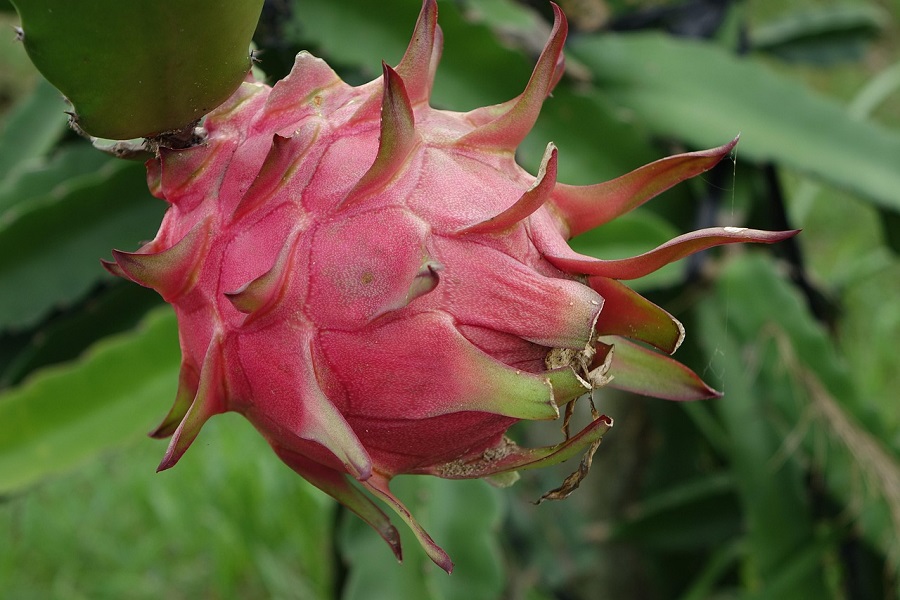
Dragon fruit, known locally as Kamalam (named by Prime Minister Narendra Modi for its lotus-like appearance), has emerged as one of India’s most profitable and rapidly expanding horticulture crops. This exotic cactus fruit, native to Central America, has found a second home in the Indian subcontinent, with cultivation spreading from Karnataka and Maharashtra to the northeastern hills and even the arid landscapes of Kutch. The fruit’s striking appearance-bright pink or yellow skin with green scales-belies its subtle, sweet flavor and impressive nutritional profile, packed with antioxidants, vitamins, and prebiotic fiber .
The year 2026 marks a watershed moment for dragon fruit farming in India. The Indian Council of Agricultural Research (ICAR) and its institutes, particularly the ICAR-Indian Institute of Horticultural Research (IIHR), Bengaluru, have established a dedicated Centre of Excellence for Kamalam, offering cutting-edge training on production and processing . State governments are aggressively promoting the crop with enhanced subsidies: Tamil Nadu now offers up to ₹1.62 lakh per hectare (100% for small and marginal farmers) , while Himachal Pradesh provides up to ₹3.37 lakh per hectare under MIDH . With India’s domestic production reaching an estimated 12,000 tonnes annually from 3,000-4,000 hectares, the country is steadily reducing its reliance on imports from Vietnam, creating a golden opportunity for forward-thinking farmers . This comprehensive guide provides everything you need to know to start and manage a profitable dragon fruit orchard in 2026.
📑 Table of Contents
- 1. Quick Crop Overview
- 2. About Dragon Fruit (Kamalam)
- 3. Climate & Soil Requirement
- 4. Best Dragon Fruit Varieties for Cultivation
- 5. Propagation & Planting Material
- 6. Land Preparation & Trellis System
- 7. Planting Method & Spacing
- 8. Irrigation & Drip System
- 9. Month-wise Crop Calendar
- 10. Manure & Fertilizer Schedule
- 11. Training & Pruning
- 12. Pollination Management
- 13. Pests and Diseases
- 14. Flowering and Fruiting
- 15. Harvesting of Dragon Fruit
- 16. Yield of Dragon Fruit
- 17. Post-Harvest Storage & Marketing
- 18. Cost of Dragon Fruit Farming & Profit Margin
- 19. Advantages of Dragon Fruit Cultivation
- 20. Government Schemes & Support (2025-26)
- 21. Value-Added Products & Processing
- 22. Common Mistakes & Challenges
- 23. FAQs
- 24. Conclusion
1. Quick Crop Overview
| Parameter | Details |
|---|---|
| Scientific Name | Hylocereus spp. (polyrhizu, undatus, costaricensis, megalanthus) |
| Family | Cactaceae |
| Indian Name | Kamalam (lotus-like fruit), Dragon Fruit, Pitaya |
| Origin | Central America (Mexico, Colombia) |
| Climate | Tropical and subtropical; warm, humid conditions |
| Ideal Temperature | 20°C – 35°C (thrives above 35°C) |
| Soil & pH | Well-drained sandy loam, lateritic soil; pH 5.5 – 7.0 |
| Planting Season | June – September (monsoon) or February – March (spring) |
| Spacing | 2m x 2m to 3m x 3m |
| Plants per Acre | 450-600 plants (depending on spacing) |
| Plants per Hectare | 1,100-2,500 plants |
| Fruiting Starts | 1st – 2nd year after planting |
| Full Bearing Age | 3rd – 4th year onwards |
| Harvesting Season | June – November (multiple flushes) |
| Yield per Pole | 25-35 kg per year |
| Yield per Hectare | 60-85 tonnes (with 2,500 plants/ha) |
| Economic Lifespan | 15-20 years |
2. About Dragon Fruit (Kamalam)
Dragon fruit is a climbing cactus that produces large, spectacular flowers that bloom only at night, followed by oval to oblong fruits weighing 300-600 grams. The fruit’s skin can be bright pink/purple or yellow, covered with prominent scales (bracts), giving it a dragon-like appearance. The flesh can be white, red, or purple, studded with tiny, black, edible seeds. The fruit is prized for its mildly sweet flavor, reminiscent of kiwi and pear, and its impressive nutritional profile: high in vitamin C, B vitamins, iron, calcium, and phosphorus .
Major Dragon Fruit Growing States in India (2026):
- Karnataka: The pioneer and leader in dragon fruit cultivation, with significant acreage in Kolar, Chikkaballapur, Tumkur, and Bengaluru Rural districts. The state is home to the Centre of Excellence for Kamalam at ICAR-IIHR, Bengaluru, which leads research and training efforts .
- Maharashtra: Major production in Pune, Ahmednagar, Solapur, and Satara districts. Farmers source planting material from Karnataka and have established successful orchards.
- Tamil Nadu: Rapidly expanding cultivation in Karur (Thogamalai, Kulithalai, Aravakurichi blocks), Dindigul, Theni, and Coimbatore districts. The state government offers enhanced subsidies of ₹1.62 lakh per hectare to promote the crop .
- Gujarat: Successful cultivation in Kutch, Mehsana, and Sabarkantha districts, proving the crop’s adaptability to semi-arid conditions.
- Himachal Pradesh: Progressive farmers like Prem Chand in Mandi district have demonstrated successful cultivation with subsidies up to ₹3.37 lakh per hectare under MIDH .
- North-Eastern States: ICAR research has identified dragon fruit as a high-potential crop for Tripura, Meghalaya, Mizoram, and Assam, with varieties like Jumbo Red, Moroccan Red, and Vietnam Red performing well .
- Andhra Pradesh, Telangana, Odisha: Emerging production centers with suitable agro-climatic conditions.
Market Demand & Import Scenario (2026): India imported dragon fruit worth nearly $41.8 million from Vietnam in 2025, a 6.4% increase from the previous year, making India Vietnam’s second-largest market after China . However, Vietnam’s total dragon fruit exports have hit an 11-year low due to rising global competition, particularly from China’s expanded production (1.6 million tonnes annually) and India’s own growing domestic output . India’s dragon fruit cultivation area is now estimated at 3,000-4,000 hectares, producing around 12,000 tonnes annually . This import substitution presents a massive opportunity for Indian farmers to capture market share with high-quality, fresh, locally-grown fruit .
3. Climate & Soil Requirement
🌤️ Climate for Dragon Fruit Cultivation
Dragon fruit is a tropical and subtropical cactus that thrives in warm, humid conditions. Its resilience to high temperatures makes it suitable for regions where other fruit crops struggle.
- Temperature: The ideal temperature range is 20°C to 35°C. Being a cactus species, dragon fruit thrives in regions with temperatures above 35°C, making it suitable for warmer areas . It is sensitive to frost and prolonged low temperatures below 10°C .
- Rainfall: Requires moderate annual rainfall of 1,000-1,500 mm. Excessive rainfall during flowering can cause flower drop and fruit rot.
- Sunlight: Requires full sunlight for optimal growth and flowering. At least 6-8 hours of direct sunlight daily is essential.
- Humidity: Moderate humidity (60-70%) is beneficial. High humidity can encourage fungal diseases.
- Altitude: Can be grown from sea level up to 1,500 meters elevation, provided temperatures are suitable.
🌱 Soil Requirement
- Best Soil Type: Well-drained sandy loam to lateritic soils are ideal. Dragon fruit is adaptable and can grow in a wide range of soils, provided drainage is excellent .
- Ideal pH: The optimum soil pH range is 5.5 to 7.0 (slightly acidic to neutral).
- Drainage: Excellent drainage is non-negotiable. Being a cactus, dragon fruit is highly susceptible to root rot in waterlogged conditions. Planting on raised beds is recommended.
- Organic Matter: Soils rich in organic matter (FYM, compost) support better growth and yields .
- Avoid: Heavy clay soils, saline soils, and areas prone to waterlogging.
Practical Tip: Conduct a soil test before planting. Add organic matter liberally. If soil is heavy, incorporate sand and plant on raised beds to improve drainage.
4. Best Dragon Fruit Varieties for Cultivation
Choosing the right variety is crucial for commercial success. In India, red-fleshed varieties are most preferred for their superior taste, color, and market price .
Commercial Varieties Grown in India
| Variety | Species | Key Characteristics | Market Preference |
|---|---|---|---|
| Jumbo Red | Hylocereus polyrhizu | Red skin, red flesh. Large fruits (400-600g). Sweet taste (TSS 14-16°Brix). High-yielding. Most popular commercial variety in India . | Highly Preferred – Excellent for fresh market and export. |
| Moroccan Red | Hylocereus polyrhizu | Red skin, red flesh. Similar to Jumbo Red, with excellent flavor. Widely cultivated in Karnataka and Maharashtra . | Premium market. |
| Vietnam Red | Hylocereus polyrhizu | Red skin, red flesh. Good yields and quality. One of the early introductions . | Commercial cultivation. |
| Vietnam White (Commonly imported) | Hylocereus undatus | Red skin, white flesh. Milder sweetness compared to red-fleshed varieties. The most widely imported variety from Vietnam, with a distinctive sweet-sour taste preferred by some Indian buyers . | Domestic market, processing. Less preferred for fresh premium market . |
| Purple Flesh (Costaricanensis) | Hylocereus costaricensis | Red skin, deep purple-red flesh. Very high antioxidant content. Intensely sweet . | Niche health market. |
| Yellow Dragon Fruit | Hylocereus megalanthus (or Selenicereus megalanthus) | Yellow skin, white flesh. Smaller fruits, but exceptionally sweet. Thorny skin . | Premium, niche market. |
Regional Recommendations
- For Commercial Farming (most states): Jumbo Red, Moroccan Red, Vietnam Red – red-fleshed varieties for best returns.
- For North-Eastern Hill Region: Jumbo Red, Moroccan Red, Vietnam Red have been successfully evaluated by ICAR .
- For Himachal Pradesh: Jumbo Red has been successfully cultivated by farmers like Prem Chand in Mandi district .
- For Niche Markets: Consider Purple Flesh or Yellow Dragon Fruit for higher prices.
Practical Tip: For commercial farming in 2026, plant Jumbo Red or Moroccan Red. These varieties have proven performance, high yields, and strong market demand. Source planting material from reputable nurseries in Karnataka or from ICAR-IIHR .
Government Link: For detailed information on varieties and to obtain certified planting material, contact the ICAR-Indian Institute of Horticultural Research, Bengaluru and their Centre of Excellence for Kamalam .
5. Propagation & Planting Material
Dragon fruit is vegetatively propagated using stem cuttings. Seed propagation is not used for commercial farming as seedlings are not true-to-type and have a longer juvenile period.
- Stem Cuttings: The standard method. Select mature, healthy stems (cladodes) from high-yielding mother plants. Cuttings should be 15-25 cm long .
- Preparation: After cutting, allow the cuttings to dry in shade for 5-7 days to callus the cut end, preventing rot.
- Rooting: Plant the callused cuttings in polybags or directly in the field. Roots develop within 3-4 weeks.
- Grafted Plants: Sometimes used to combine vigorous rootstocks with high-yielding scions, but not common.
- Tissue Culture Plants: Becoming available; these are disease-free and uniform but more expensive.
Plants Required Per Acre:
- Spacing 2m x 2m (2,500 plants/hectare): Approximately 1,000 plants per acre.
- Spacing 3m x 2m (1,666 plants/hectare): Approximately 675 plants per acre.
- Spacing 3m x 3m (1,111 plants/hectare): Approximately 450 plants per acre.
Practical Tip: Himachal Pradesh farmer Prem Chand planted 800 saplings of Jumbo Red variety on 2.5 bighas (approx. 0.4 hectares) . Source plants only from reputable, government-recommended nurseries to ensure varietal purity.
6. Land Preparation & Trellis System
Dragon fruit is a climbing cactus and requires a strong trellis system for support. This is the most critical and capital-intensive part of orchard establishment.
Land Preparation
- Clearing & Ploughing: Clear the land of weeds and stones. Conduct deep ploughing 2-3 times to bring soil to fine tilth.
- Soil Amendment: Incorporate well-decomposed FYM or compost (20-25 tonnes/hectare) during final ploughing .
- Layout: Mark the spots for trellis poles based on chosen spacing.
Trellis System – The Most Critical Investment
Two main types of trellis are used:
- Concrete Pole Trellis (Most Common):
- Poles: Reinforced cement concrete (RCC) poles, 2.0-2.5 meters in height, with 10-12 cm diameter. Poles are erected at each planting point.
- Top Support: An old bicycle or motorcycle tyre is fitted on top of the pole to support the spreading stems. Alternatively, an iron ring or crossbar can be used .
- Spacing: Poles are placed at 2m x 2m or 3m x 2m spacing.
- Angle Iron Trellis: Angle iron poles (2.5 m height) with a ring on top. More expensive than concrete but longer-lasting.
- T-Bar Trellis: Wooden or concrete posts with crossbars at the top, supporting wires along which stems are trained.
Practical Tip: Farmer Prem Chand in Himachal Pradesh used the trellis system to provide proper support to his plants . The initial investment in trellis is high but essential; subsidies under MIDH and PMKSY can offset this cost .
7. Planting Method & Spacing
- Best Planting Season: Monsoon season (June-September) ensures good establishment. Spring planting (February-March) with irrigation is also possible.
- Planting Depth: Plant the callused cutting 3-5 cm deep at the base of the trellis pole. Ensure the cutting is planted with the correct orientation (polarity) – the end that was closer to the plant base goes into soil.
- Spacing:
- High Density (2m x 2m): 2,500 plants/hectare – recommended by ICAR for maximizing yields .
- Medium Density (3m x 2m): 1,666 plants/hectare.
- Wider Spacing (3m x 3m): 1,111 plants/hectare – allows more light penetration and easier management.
- Planting Technique:
- Dig a small pit at the base of the trellis.
- Place the cutting, firm the soil, and water gently.
- Secure the cutting loosely to the pole with twine to train it upwards.
8. Irrigation & Drip System
While drought-tolerant once established, dragon fruit requires consistent moisture for optimal yields. Drip irrigation is highly recommended.
Irrigation Schedule & Water Requirement
- Young Plants (Establishment Phase): Water every 4-5 days in the absence of rain.
- Growing Plants (1-2 years): Irrigate at 5-7 day intervals during dry periods.
- Mature Plants (Bearing): Critical stages for irrigation:
- Before and during flowering (April-May).
- During fruit development (June-October).
- Drip Irrigation (Highly Recommended): Dragon fruit responds excellently to drip irrigation. It saves water, reduces weed growth, and allows fertigation. In Karur district, Tamil Nadu, farmers are supported with drip systems under PMKSY .
- Frequency: With drip, irrigate daily or on alternate days, depending on soil type and weather.
- Avoid: Over-irrigation and waterlogging, which can lead to root rot.
Government Link: For details on subsidies for micro-irrigation, visit the official PMKSY (Per Drop More Crop) website. Farmer Prem Chand received 80% subsidy on his drip system under this scheme .
9. Month-wise Crop Calendar
(Based on conditions in Karnataka and Maharashtra for the main fruiting season)
| Month | Growth Stage / Operation |
|---|---|
| January – February | Pruning & Maintenance. Prune old, exhausted stems. Apply FYM and basal fertilizers. Prepare for spring planting. |
| March – April | Flower Bud Initiation. New growth emerges. Apply pre-flowering fertilizer. Ensure adequate irrigation. |
| May – June | Flowering. Night-blooming flowers appear. Critical period for hand pollination. Monitor for pests. |
| July – September | Peak Fruiting & Harvest. Main harvest season. Multiple flushes. Regular picking of mature fruits. |
| October – November | Late Harvest & Post-Harvest. Continue harvesting. Apply post-harvest fertilizers. Prepare for winter. |
| December | Dormancy / Maintenance. Reduce irrigation. Weed control. Plan for next season’s pruning. |
10. Manure & Fertilizer Schedule
Dragon fruit responds well to organic nutrition combined with balanced fertilizers. ICAR recommends the following schedule per plant, applied at three-month intervals .
Annual Fertilizer Schedule (Per Plant, for Bearing Plants)
| Time of Application | FYM (kg) | Vermicompost (kg) | Urea (g) | MOP (g) | SSP (g) |
|---|---|---|---|---|---|
| At three-month intervals (4 times/year) | 11 kg/plant/year | 12 kg/plant/year | 143 g/plant/year | 138 g/plant/year | 52 g/plant/year |
Note: Divide the total annual quantity into four equal applications, applied every three months. This schedule maintains tree growth and supports continuous fruiting .
Organic Farming: Farmers like Prem Chand in Himachal Pradesh prioritize natural farming and do not use chemical fertilisers or pesticides . Organic dragon fruit fetches premium prices in niche markets.
11. Training & Pruning
Proper training and pruning are essential to maintain plant health, manage the canopy, and maximize yields.
- Training (First Year):
- Allow the main stem to grow upwards, tying it loosely to the trellis pole.
- Once it reaches the top of the pole (2 m), pinch off the tip to encourage branching.
- Allow 4-6 lateral branches to grow and cascade over the ring/crossbar. These will be the primary fruiting stems.
- Annual Pruning (After Harvest, January-February):
- Remove old, exhausted, diseased, or damaged stems that have already fruited for 2-3 years.
- Remove overcrowded stems to allow light penetration and air circulation.
- Leave healthy, vigorous new stems for the next season’s fruiting.
- Benefits of Pruning: Maintains plant vigor, improves fruit size and quality, reduces disease incidence.
12. Pollination Management – A Critical Success Factor
Pollination is the most critical operation in dragon fruit cultivation. Many commercial varieties exhibit heterostyly (pin-type flowers with long and short styles), which can limit natural pollination .
- Natural Pollinators: Moths, bats, and bees pollinate the night-blooming flowers, but this is often insufficient for optimal fruit set.
- Hand Pollination (Essential for High Yields): ICAR research emphasizes that hand pollination is critical for better fruit set .
- Timing: Flowers bloom at night and remain open for only one night. Hand pollination must be done during the flowering night, ideally between 7:30 PM and 8:30 PM .
- Method:
- Collect pollen from freshly dehisced anthers of one flower using a small brush or cotton swab.
- Gently transfer the pollen to the stigma of another flower.
- For best results, cross-pollinate between different varieties.
- Benefits of Hand Pollination: Increases fruit set from 30-50% to 80-90%, produces larger and more uniform fruits, and improves fruit quality.
Practical Tip: Employ family labor or skilled workers during the flowering season. The effort is well worth the yield increase.
13. Pests and Diseases
Dragon fruit is relatively hardy, but certain pests and diseases can affect it, especially in humid conditions.
Major Pests
- Mealybugs: White cottony masses on stems and fruits. Control: Remove infested parts. Spray fish oil rosin soap or neem oil. Encourage natural predators like ladybird beetles.
- Fruit Flies: Larvae bore into ripening fruits, causing rot. Control: Install pheromone traps. Practice clean cultivation (destroy fallen fruits).
- Aphids: Suck sap from new growth. Control: Spray neem-based insecticides.
- Scales: Small, hard insects on stems. Control: Horticultural oil spray.
- Snails & Slugs: Can damage young stems and flowers. Control: Handpick in the evening. Use snail baits if necessary.
Major Diseases
- Stem Rot / Soft Rot: Caused by overwatering or fungal infection (Fusarium, Phytophthora). Water-soaked lesions on stems, leading to rotting. Control: Ensure excellent drainage. Reduce irrigation. Remove and destroy affected stems. Avoid wounding stems.
- Anthracnose: Sunken, dark lesions on stems and fruits. Control: Prune affected parts. Spray Carbendazim or Mancozeb. Ensure good air circulation.
- Bacterial Soft Rot: Foul-smelling, water-soaked rot. Control: Avoid overwatering. Remove affected parts. Spray Streptocycline.
- Sunburn Injury: Caused by excessive sun exposure. Manage by maintaining good canopy cover and using shade nets in extreme climates .
Integrated Pest Management (IPM):
- Maintain plant health through proper nutrition and irrigation.
- Practice good orchard sanitation.
- Monitor regularly and intervene early.
- Use chemical controls only as a last resort.
14. Flowering and Fruiting
- Flowering Onset: Plants start flowering in the first or second year after planting. The main flowering season is from May to September.
- Flower Characteristics: Large, spectacular, white or cream-colored flowers that bloom at night and emit a pleasant fragrance. They are often called “Moonflowers” or “Queen of the Night”.
- Flower Duration: Each flower blooms for only one night. If not pollinated, it will drop.
- Fruit Development: After successful pollination, fruit takes 30-50 days to mature.
- Fruit Maturity: Full color development (pink/red/yellow) and slight softening at the blossom end.
- Multiple Flushes: Plants produce multiple flushes of flowers and fruits throughout the growing season (June to November).
15. Harvesting of Dragon Fruit
- When to Harvest: Fruits are ready for harvest when they develop full, even color (bright pink/red or yellow). The scales (bracts) may start to wither slightly. The fruit gives slightly to gentle pressure.
- Harvesting Season: June to November, with peak production in July-September.
- Harvesting Method:
- Harvest in the cool part of the day (morning or evening).
- Use sharp secateurs or scissors to cut the fruit from the stem, leaving a short portion of the stem attached.
- Handle carefully – the fruit bruises easily. Place gently in padded baskets or crates.
- Multiple Harvests: A well-managed field can be harvested every 15-20 days during the peak season, with 4-6 harvest cycles per year.
16. Yield of Dragon Fruit
Yield depends on variety, plant age, management, and pollination success.
- Year 1: Minimal yield (first fruits appear).
- Year 2: Plants start producing commercial yields, 5-10 kg per pole.
- Year 3: Increasing yields, 15-20 kg per pole.
- Year 4 onwards (Full Bearing): A well-managed plant can yield 25-35 kg per pole per year .
- Yield Per Hectare (High Density): With 2,500 plants per hectare, yields can reach 60-85 tonnes per hectare .
- Yield Per Acre: Approximately 24-34 tonnes per acre.
Note: A Tamil Nadu farmer in Karur district was told by the Collector that plants have a lifespan of 20 years, start bearing within the first year, and reach full production in three or four years .
17. Post-Harvest Storage & Marketing
Storage Methods
- Short-term (Ambient): Dragon fruit can be stored at room temperature for 4-7 days.
- Long-term (Remarkable Shelf Life): Dragon fruit can be stored safely for nearly two months without refrigeration, making it a farmer-friendly and marketable crop, as noted by farmer Prem Chand in Himachal Pradesh .
- Refrigerated Storage: Can be stored at 7-10°C with 85-90% RH for 2-3 weeks.
- Packaging: For local markets, fruits are often packed in plastic crates. For distant markets and export, single-layer packing in ventilated CFB boxes prevents bruising. Vietnamese imports are packed in 9kg boxes containing 19-20 fruits of 400-450g each .
Marketing Channels & Price (2026)
- Local APMC Mandis: Traditional marketing channel. Prices vary by quality and season.
- Metropolitan Markets (Premium Segment): High demand in Mumbai (Vashi market is a major hub), Delhi, Bengaluru, Hyderabad, and Chennai .
- Direct Marketing: Selling directly to retailers, fruit juice shops, or at farmers’ markets can fetch better prices.
- Export: Growing export potential to the Middle East, Europe, and Southeast Asia. Requires quality grading, phytosanitary certification, and GAP certification.
- Market Price (2026):
- Wholesale prices: ₹100-200 per kg (depending on season and quality).
- Retail prices: ₹200-350 per kg.
- Himachal Pradesh farmer Prem Chand sold his Jumbo Red dragon fruit at ₹250-300 per kg in the local market .
- Imported Vietnamese white-flesh fruit is priced lower .
18. Cost of Dragon Fruit Farming & Profit Margin
Disclaimer: These are estimates for 1 hectare based on 2025-26 data. Actual figures vary by region, spacing, input costs, management, and market prices.
Assumptions: High-density planting (2,500 plants/ha), concrete pole trellis, drip irrigation, yields from Year 4 onwards.
A. Initial Investment (Years 1-3 – Orchard Establishment)
| Component | Cost (₹ per hectare) |
|---|---|
| Land preparation & layout | 20,000 |
| Cost of plants (2,500 cuttings @ ₹25-30) | 65,000 – 75,000 |
| Trellis system (concrete poles, rings) | 2,50,000 – 3,00,000 |
| Drip irrigation system (approx. cost) | 60,000 |
| FYM, fertilizers & labour (first 3 years) | 1,20,000 |
| Total Investment (Years 1-3) | ₹ 5,15,000 – 5,75,000 |
Note: The trellis system is the major cost. Subsidies under MIDH and PMKSY can significantly reduce this burden.
B. Annual Maintenance Cost (From Year 4 onwards, per hectare)
| Component | Cost (₹/year) |
|---|---|
| Fertilizers & Manure (as per ICAR schedule) | 50,000 |
| Plant protection chemicals | 15,000 |
| Labour (pruning, pollination, harvesting) | 60,000 |
| Irrigation (electricity/diesel) | 15,000 |
| Packing materials & transport | 30,000 |
| Total Annual Cost | ₹ 1,70,000 |
C. Income from Mature Orchard (Year 4 onwards, per hectare)
Based on average yields and market prices.
| Parameter | Conservative Estimate | Optimistic Estimate |
|---|---|---|
| Yield per hectare | 60 tonnes | 80 tonnes |
| Average price (wholesale) | ₹ 80 per kg | ₹ 120 per kg |
| Gross Income | ₹ 48,00,000 | ₹ 96,00,000 |
D. Profit Calculation (Mature Orchard, per hectare)
| Parameter | Conservative (₹) | Optimistic (₹) |
|---|---|---|
| Gross Income | 48,00,000 | 96,00,000 |
| Annual Maintenance Cost | 1,70,000 | 2,00,000 |
| Net Profit Per Year | ₹ 46,30,000 | ₹ 94,00,000 |
Important Notes:
- These figures represent the high end of profitability for a well-managed, high-density orchard with premium prices. They demonstrate why dragon fruit is considered one of India’s most profitable horticulture crops.
- Break-even: With subsidies, farmers can recover their initial investment by Year 3-4, after which the orchard generates substantial profit for 15+ years.
- Subsidy Impact: In Tamil Nadu, small farmers can get 100% subsidy up to ₹1.62 lakh/hectare . In Himachal Pradesh, subsidies can go up to ₹3.37 lakh/hectare .
19. Advantages of Dragon Fruit Cultivation
- Extremely High Profitability: With yields up to 85 tonnes/hectare and prices of ₹80-300/kg, dragon fruit is one of the most profitable fruit crops in India .
- Quick Returns: Plants start bearing within the first year, reaching full production in 3-4 years .
- Long Productive Life: Orchards remain productive for 15-20 years .
- Low Water Requirement: As a cactus, it has low water needs and is ideal for dryland and water-scarce regions .
- Climate Resilience: Thrives in high temperatures (above 35°C) where many other fruit crops struggle .
- Excellent Shelf Life: Can be stored for up to two months without refrigeration, reducing post-harvest losses .
- Strong Government Support: Enhanced subsidies (up to ₹3.37 lakh/hectare) under MIDH and PMKSY, and specialized training through ICAR-IIHR’s Centre of Excellence for Kamalam .
- Import Substitution Opportunity: India’s domestic production (12,000 tonnes) is still far below demand (imports of $41.8 million from Vietnam), leaving immense room for growth .
- Processing Potential: Suitable for various value-added products (juice, wine, cookies, tea), adding further income streams .
- Organic Potential: Can be successfully cultivated using natural farming methods, fetching premium prices .
20. Government Schemes & Support (2025-26 Update)
Several government initiatives support dragon fruit farmers. Key schemes for 2025-26 include:
- MIDH (Mission for Integrated Development of Horticulture): The central scheme for horticulture development. Provides financial assistance for area expansion, planting material, and trellis structures. In Himachal Pradesh, farmers can avail subsidies up to ₹3,37,500 per hectare (60% in first installment, 40% later) .
- PMKSY (Per Drop More Crop): Provides subsidies for installing micro-irrigation (drip/sprinkler) systems: 55% for small and marginal farmers and 45% for other farmers. Farmer Prem Chand received 80% subsidy on his drip system .
- Tamil Nadu Subsidy (2025-26): The state government increased the subsidy amount to ₹1.62 lakh per hectare from ₹96,000. Small and marginal farmers are eligible for 100% subsidy, while other growers can claim 75% . This has been implemented in Karur district and others .
- ICAR-IIHR Centre of Excellence for Kamalam: Located at ICAR-IIHR, Bengaluru, this centre offers training programmes on scientific approaches to production, processing, and value addition. In 2024, they conducted a 10-day training attended by scientists and horticulture officers from 7 states .
- Area Expansion Programme (Various States): Subsidies are available for dragon fruit plantation under area expansion schemes. In Himachal Pradesh, eligible farmers can get up to ₹3.37 lakh/hectare .
- Training & Skill Development: ICAR institutes, KVKs, and State Horticulture Missions regularly organize training programs on dragon fruit cultivation. The ICAR-IIHR CoE program included modules on agronomic practices, plant protection, post-harvest supply chain, and business marketing .
How to Apply: Farmers can apply for subsidies and schemes through the State Horticulture Mission or their local District Horticulture Officer. For training programs, contact the ICAR-IIHR Centre of Excellence for Kamalam or your nearest KVK .
21. Value-Added Products & Processing
Processing dragon fruit adds significant value and helps utilize off-grade fruits. The ICAR-IIHR Centre of Excellence emphasizes value addition in their training programs .
- Fresh Fruit Juice: Dragon fruit juice is popular in restaurants and juice bars.
- Dragon Fruit Wine: Fermented product with good potential in niche markets.
- Dragon Fruit Jam & Jelly: Value-added products with good shelf life.
- Dragon Fruit Powder: Used in health foods, smoothies, and as a natural colorant. Trainees at ICAR-IIHR prepared fortified cookies and dip tea from dragon fruit powder .
- Dried Dragon Fruit Chips: Dehydrated fruit snacks.
- Dragon Fruit Ice Cream & Yogurt: Popular in food service.
- Natural Food Color: The deep red/purple flesh is an excellent source of natural betalain pigments for food coloring.
Farmer Producer Organizations (FPOs) can explore setting up small-scale processing units to capture more value from their produce.
22. Common Mistakes & Challenges
- Poor Variety Selection: Planting low-yielding white-fleshed varieties instead of premium red-fleshed varieties like Jumbo Red or Moroccan Red .
- Inadequate Drainage: Planting in heavy soils or areas with poor drainage leads to root rot and plant death.
- Improper Trellis Design: Using weak or poorly designed trellises that cannot support mature plants .
- Ignoring Hand Pollination: Relying solely on natural pollination results in low fruit set and poor yields .
- Over-Irrigation: Waterlogging and excessive irrigation cause root rot and fungal diseases.
- Under-Fertilization: Not following the recommended fertilizer schedule leads to low yields and poor fruit quality .
- Neglecting Pruning: Failure to prune leads to overcrowding, reduced yields, and increased disease incidence.
- Harvesting at the Wrong Stage: Harvesting too early (low sugar) or too late (overripe, soft) affects marketability.
- Rough Post-Harvest Handling: Bruising the fruit leads to rapid spoilage.
- Not Applying for Subsidies: Missing out on available government support for planting, trellis, and drip irrigation .
- Underestimating Labour Requirements: Hand pollination and harvesting are labour-intensive operations that require skilled workers.
- Ignoring Pest and Disease Monitoring: Late detection of mealybugs or stem rot can lead to significant losses.
23. FAQs – Frequently Asked Questions
Q1. Is dragon fruit farming profitable in India?
A: Yes, dragon fruit farming is exceptionally profitable. With yields of 60-85 tonnes per hectare and prices ranging from ₹80-300 per kg, net profits can reach ₹46-94 lakhs per hectare annually from a mature orchard. It is one of the most profitable horticulture crops in India .
Q2. How many years does a dragon fruit plant take to bear fruit?
A: Dragon fruit plants start bearing within the first year after planting. They reach full production (25-35 kg per pole) in 3-4 years .
Q3. What is the yield of a dragon fruit plant?
A: A mature, well-managed plant can yield 25-35 kg of fruit per year . With 2,500 plants per hectare, yields can reach 60-85 tonnes per hectare .
Q4. Which is the best dragon fruit variety for commercial farming?
A: Jumbo Red, Moroccan Red, and Vietnam Red (red-fleshed varieties) are most preferred for commercial farming in India due to their superior taste, color, and market price .
Q5. What is the lifespan of a dragon fruit plant?
A: Dragon fruit plants have a long economic lifespan of 15-20 years .
Q6. How much subsidy is available for dragon fruit farming in 2026?
A: Subsidies vary by state. In Tamil Nadu, farmers can get up to ₹1.62 lakh per hectare (100% for small/marginal farmers) . In Himachal Pradesh, subsidies up to ₹3.37 lakh per hectare are available under MIDH .
Q7. Is hand pollination necessary for dragon fruit?
A: Yes, hand pollination is critical for high yields. ICAR research recommends hand pollination between 7:30-8:30 PM on the night of flowering to ensure 80-90% fruit set .
Q8. What is the market price for dragon fruit?
A: Wholesale prices range from ₹80-200 per kg, while retail prices can reach ₹250-350 per kg. In Himachal Pradesh, a farmer sold his Jumbo Red variety at ₹250-300 per kg .
Q9. What is the best soil for dragon fruit cultivation?
A: Well-drained sandy loam to lateritic soils with pH 5.5-7.0 are ideal. Excellent drainage is essential .
Q10. Can dragon fruit be grown organically?
A: Yes, dragon fruit responds well to organic cultivation. Farmers like Prem Chand in Himachal Pradesh successfully grow it using natural farming methods without chemical fertilizers or pesticides, fetching premium prices .
Q11. What government training programs are available for dragon fruit farming?
A: The ICAR-IIHR Centre of Excellence for Kamalam in Bengaluru offers regular training programs on production and processing. KVKs and State Horticulture Missions also organize training .
Q12. How long can dragon fruit be stored?
A: Dragon fruit has excellent shelf life and can be stored safely for nearly two months without refrigeration, making it very farmer-friendly .
24. Conclusion
Dragon fruit, or Kamalam, has firmly established itself as one of India’s most promising and profitable horticulture crops. With its quick returns (bearing in the first year), exceptionally high yields (up to 85 tonnes/hectare), and strong market prices (₹250-300/kg at retail), it offers farmers a path to financial prosperity unmatched by many traditional crops . The plant’s remarkable resilience to high temperatures, low water requirements, and adaptability to diverse soil types make it an ideal crop for dryland and water-scarce regions across India .
The year 2026 presents an unprecedented opportunity for Indian farmers. The government has significantly enhanced subsidy support, with Tamil Nadu offering up to ₹1.62 lakh per hectare and Himachal Pradesh up to ₹3.37 lakh per hectare . The ICAR-IIHR Centre of Excellence for Kamalam provides world-class training on scientific cultivation and processing, equipping farmers with the latest knowledge . With India still importing nearly $42 million worth of dragon fruit annually from Vietnam, the scope for import substitution is immense .
Success in dragon fruit farming requires attention to critical details: selecting premium red-fleshed varieties like Jumbo Red, investing in a proper trellis system, mastering hand pollination (the make-or-break operation), and following the recommended fertilizer schedule . Farmers who embrace these practices, avail the generous government subsidies, and tap into growing domestic and export markets are well-positioned to reap extraordinary rewards.
Ready to start your Dragon Fruit Farming?
Start your dragon fruit orchard by getting your soil tested and visiting successful farms in your state. For premium planting material and expert guidance, contact the ICAR-IIHR Centre of Excellence for Kamalam in Bengaluru . Apply for state subsidies through your local District Horticulture Officer – in Tamil Nadu, farmers in Karur district have already benefited . Attend training programs at your nearest KVK or ICAR institute to learn the latest techniques . With careful planning and a commitment to scientific practices, your dragon fruit orchard can become a source of prosperity for 20 years to come.
Disclaimer: The information provided in this guide is for general informational purposes only and is current as of March 2026. The costs, yields, profits, and cultivation practices mentioned are estimates and may vary significantly based on location, soil conditions, climate, management practices, and dynamic market factors. It is strongly recommended that farmers consult with local agricultural experts, KVKs, and state horticulture departments before making any investment decisions. This website and its authors disclaim any liability for financial losses or crop failures resulting from the use of this information.