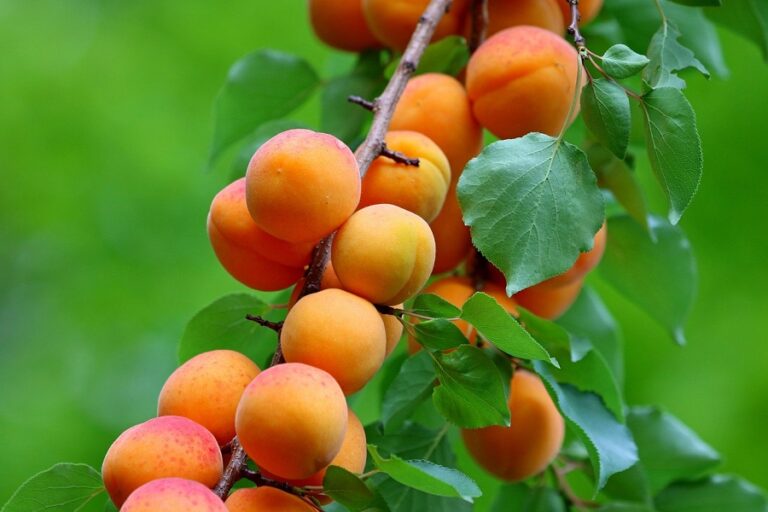
Pear Cultivation in India: Complete Guide for Farmers & Gardeners
Pear cultivation in India is slowly gaining attention among fruit growers, especially in hilly and temperate regions. Pears are valued for their sweet taste, good shelf life, and rising market demand in urban areas. With proper variety selection and orchard management, pear farming can become a profitable fruit venture for Indian farmers.
This complete guide explains pear cultivation in India, covering climate, soil, suitable varieties, planting method, fertilizer schedule, irrigation, pest management, and harvesting practices.
Introduction to Pear Farming
Pear (Pyrus communis and Pyrus pyrifolia) belongs to the Rosaceae family. It is a deciduous fruit tree that performs well in cool climates with sufficient chilling hours. In India, pears are mainly grown in northern hill states, but low-chill varieties are now expanding pear cultivation to new regions.
Pear fruits are rich in fiber, antioxidants, and natural sugars, making them popular among health-conscious consumers.
Climate Requirements for Pear Cultivation
Pear trees prefer a cool temperate climate. Most traditional pear varieties require winter chilling for proper flowering and fruiting.
- Ideal temperature range: 10°C to 25°C
- Chilling requirement: 800–1200 hours below 7°C (variety dependent)
- Low-chill varieties require 300–400 hours
- Frost during flowering can reduce yield
Regions with mild summers and cold winters are best suited for pear cultivation.
Soil Requirements
Pear trees grow best in deep, fertile, and well-drained soils.
- Ideal soil type: Sandy loam to clay loam
- Soil pH: 6.0 to 7.5
- Good drainage is essential to prevent root diseases
Waterlogged and highly alkaline soils should be avoided for pear orchards.
Major Pear Growing Regions in India
Pear cultivation in India is mainly concentrated in:
- Jammu & Kashmir
- Himachal Pradesh
- Uttarakhand
- Arunachal Pradesh
- Parts of Punjab and Haryana (low-chill varieties)
Popular Pear Varieties Grown in India
Choosing the right variety is crucial for successful pear farming.
Patharnakh
A popular low-chill variety grown widely in Punjab, Haryana, and Uttar Pradesh. Known for its hard texture and high yield.
Punjab Beauty
An improved variety suitable for subtropical regions with moderate chilling requirement.
Bartlett (William’s Pear)
A widely grown variety in hilly regions, known for juicy fruits and good market demand.
Baggugosha
Popular in North-East India, especially Assam and surrounding states.
Kieffer
A hardy variety tolerant to diseases and suitable for warm regions.
Propagation Method
Pear plants are usually propagated through grafting or budding.
- T-budding
- Whip and tongue grafting
Using certified nursery plants ensures better survival and uniform orchards.
Planting Season and Spacing
The best planting time for pear saplings is during dormancy.
- Planting season: December to February
- Spacing: 5 m × 5 m for standard varieties
- High-density planting: 3 m × 3 m (with proper training)
Pits of 1 m × 1 m × 1 m should be prepared and filled with topsoil mixed with compost.
Fertilizer and Nutrient Management
Balanced nutrition plays a major role in fruit quality and yield.
- FYM: 20–30 kg per tree annually
- Nitrogen: Split doses during spring and summer
- Phosphorus & Potassium: Applied during winter
Micronutrients like zinc and boron may be required based on soil test results.
Irrigation Management
Pear trees need regular irrigation, especially during fruit development.
- Young plants: Frequent light irrigation
- Fruit-bearing trees: Irrigation every 10–15 days
- Avoid water stress during flowering and fruit set
Drip irrigation improves water efficiency and fruit size.
Training and Pruning
Proper training helps in better sunlight penetration and disease control.
- Central leader system is commonly used
- Pruning is done during winter dormancy
- Remove dead, diseased, and overcrowded branches
Pest and Disease Management
Common pests and diseases in pear cultivation include:
- Pear psylla
- Aphids
- Fire blight
- Leaf spot
Integrated pest management practices and orchard sanitation help reduce losses.
Harvesting of Pear Fruits
Pear fruits are harvested when they reach proper maturity but are still firm.
- Harvest time: July to September (variety dependent)
- Fruits should be hand-picked carefully
- Late harvesting reduces shelf life
Yield of Pear Crop
Average yield depends on variety, climate, and orchard management.
- Yield per tree: 40–60 kg
- Yield per hectare: 15–25 tonnes
Post-Harvest Management
Pears have good storage potential under controlled conditions.
- Storage temperature: 0–1°C
- Shelf life: 2–4 months
- Grading improves market price
Economic Importance of Pear Farming
With rising demand for fresh fruits, pear cultivation offers good income opportunities. Low-chill varieties are opening new markets in plains and semi-temperate regions.
Conclusion
Pear cultivation in India has strong potential when the right varieties are selected and proper orchard management practices are followed. Farmers in suitable climatic zones can adopt pear farming as a profitable and sustainable fruit crop.
Frequently Asked Questions (FAQs)
Is pear cultivation possible in plains of India?
Yes, low-chill varieties like Patharnakh can be successfully grown in plains.
How many years does a pear tree take to bear fruit?
Pear trees usually start bearing fruits in 4–5 years after planting.
Which pear variety is best for North India?
Patharnakh, Punjab Beauty, and Bartlett are popular choices.
What is the lifespan of a pear tree?
A well-managed pear tree can remain productive for 25–30 years.
Is pear farming profitable in India?
Yes, with good yield, storage, and market access, pear farming can be profitable.