Plum Cultivation in India: Complete Guide for Farmers
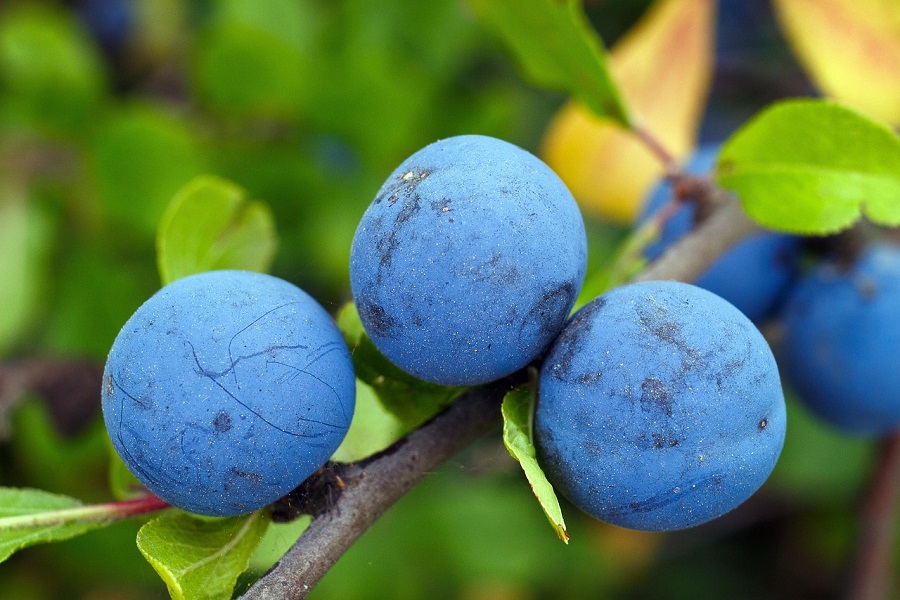
Plum cultivation in India is gaining popularity due to its high market demand, attractive fruit color, and good returns in temperate regions. Plums are stone fruits known for their sweet to slightly tangy taste and excellent nutritional value. With the availability of improved low-chill varieties, plum farming is now expanding beyond traditional hill areas.
This complete guide explains plum cultivation in India, including climate and soil requirements, suitable varieties, planting method, fertilizer schedule, irrigation, pest management, harvesting, and yield potential.
Introduction to Plum Farming
Plum (Prunus domestica and Prunus salicina) belongs to the Rosaceae family. It is a deciduous fruit tree that requires a cool climate for proper flowering and fruit development. Plums are consumed fresh and also used for processing into jams, juices, and dried fruits.
Plum fruits are rich in vitamins, antioxidants, and dietary fiber, making them popular among health-conscious consumers.
Climate Requirements for Plum Cultivation
Plum trees prefer a temperate climate with cold winters and mild summers.
- Ideal temperature range: 12°C to 30°C
- Chilling requirement: 400–1000 hours below 7°C (variety dependent)
- Frost during flowering can damage blossoms
- Excess rainfall during fruit maturity may cause cracking
Low-chill varieties allow plum cultivation in semi-temperate regions.
Soil Requirements
Well-drained soils are essential for successful plum farming.
- Ideal soil type: Sandy loam to loamy soil
- Soil pH: 5.5 to 6.5
- Good organic matter content improves fruit size
Heavy clay and waterlogged soils should be avoided.
Major Plum Growing Regions in India
Plum cultivation in India is mainly practiced in:
- Himachal Pradesh
- Jammu & Kashmir
- Uttarakhand
- Arunachal Pradesh
- Nilgiri Hills (Tamil Nadu – low-chill varieties)
Popular Plum Varieties Grown in India
Selecting the right variety is critical for yield and market success.
Santa Rosa
A widely grown variety with large, juicy fruits and attractive red skin.
Beauty
An early-maturing variety suitable for hill regions with good sweetness.
Satluj Purple
A popular Indian variety with deep purple fruits and good shelf life.
Kala Amritsari
Suitable for mid-hill regions, known for high yield and strong flavor.
Frontier
A hardy variety tolerant to varying climatic conditions.
Propagation Method
Plum plants are propagated through vegetative methods to maintain uniformity.
- T-budding
- Shield budding
- Grafting on suitable rootstocks
Using certified nursery plants improves survival rate and orchard performance.
Planting Season and Spacing
Plum saplings are planted during dormancy.
- Planting season: December to January
- Spacing: 5 m × 5 m for standard planting
- High-density planting: 3 m × 3 m (with training and pruning)
Pits of 1 m × 1 m × 1 m should be prepared and filled with soil mixed with compost.
Fertilizer and Nutrient Management
Balanced nutrition is essential for fruit quality and yield.
- FYM: 20–25 kg per tree annually
- Nitrogen: Applied in split doses during spring and early summer
- Phosphorus and Potassium: Applied during winter
Soil testing helps determine exact nutrient requirements.
Irrigation Management
Plum trees require adequate moisture during critical growth stages.
- Young plants: Light but frequent irrigation
- Bearing trees: Irrigation every 10–15 days
- Avoid irrigation during fruit ripening to prevent cracking
Drip irrigation improves water use efficiency.
Training and Pruning
Proper training ensures strong structure and better sunlight exposure.
- Open center or modified leader system is preferred
- Pruning is done during winter dormancy
- Remove dead, diseased, and overlapping branches
Pest and Disease Management
Common pests and diseases in plum cultivation include:
- Aphids
- Fruit fly
- Leaf curl
- Brown rot
Maintaining orchard hygiene and timely monitoring reduces losses.
Harvesting of Plum Fruits
Plums are harvested when fruits attain proper color and size.
- Harvesting season: May to July
- Fruits should be hand-picked carefully
- Over-ripe fruits reduce shelf life
Yield of Plum Crop
Yield depends on variety and orchard management.
- Yield per tree: 30–50 kg
- Yield per hectare: 12–20 tonnes
Post-Harvest Management
Proper handling increases market value.
- Storage temperature: 0–1°C
- Shelf life: 2–3 weeks under cold storage
- Grading improves price realization
Economic Importance of Plum Farming
Plum farming offers good returns due to early fruiting and strong market demand. With proper variety selection, farmers can target fresh markets and processing industries.
Conclusion
Plum cultivation in India is a profitable fruit farming option in temperate and semi-temperate regions. By selecting suitable varieties and following proper orchard management practices, farmers can achieve consistent yield and income.
Frequently Asked Questions (FAQs)
How many years does a plum tree take to bear fruit?
Plum trees generally start fruiting within 3–4 years after planting.
Which plum variety is best for India?
Santa Rosa, Satluj Purple, and Kala Amritsari are popular varieties.
Can plums be grown in plains?
Low-chill plum varieties can be grown in selected semi-temperate regions.
What is the lifespan of a plum tree?
A plum tree can remain productive for 20–25 years with good care.
Is plum farming profitable?
Yes, plum farming can be profitable with proper variety selection and market access.